






5 Signs Your Home Needs Rewiring (And How to Tell Before It's Too Late)
Most homeowners don't think about their wiring until something goes wrong. But electrical faults don't always announce themselves loudly — often the warning signs are subtle and easy to dismiss as a minor annoyance. Getting ahead of them could save you thousands of pounds. More importantly, it could save your home from a fire.
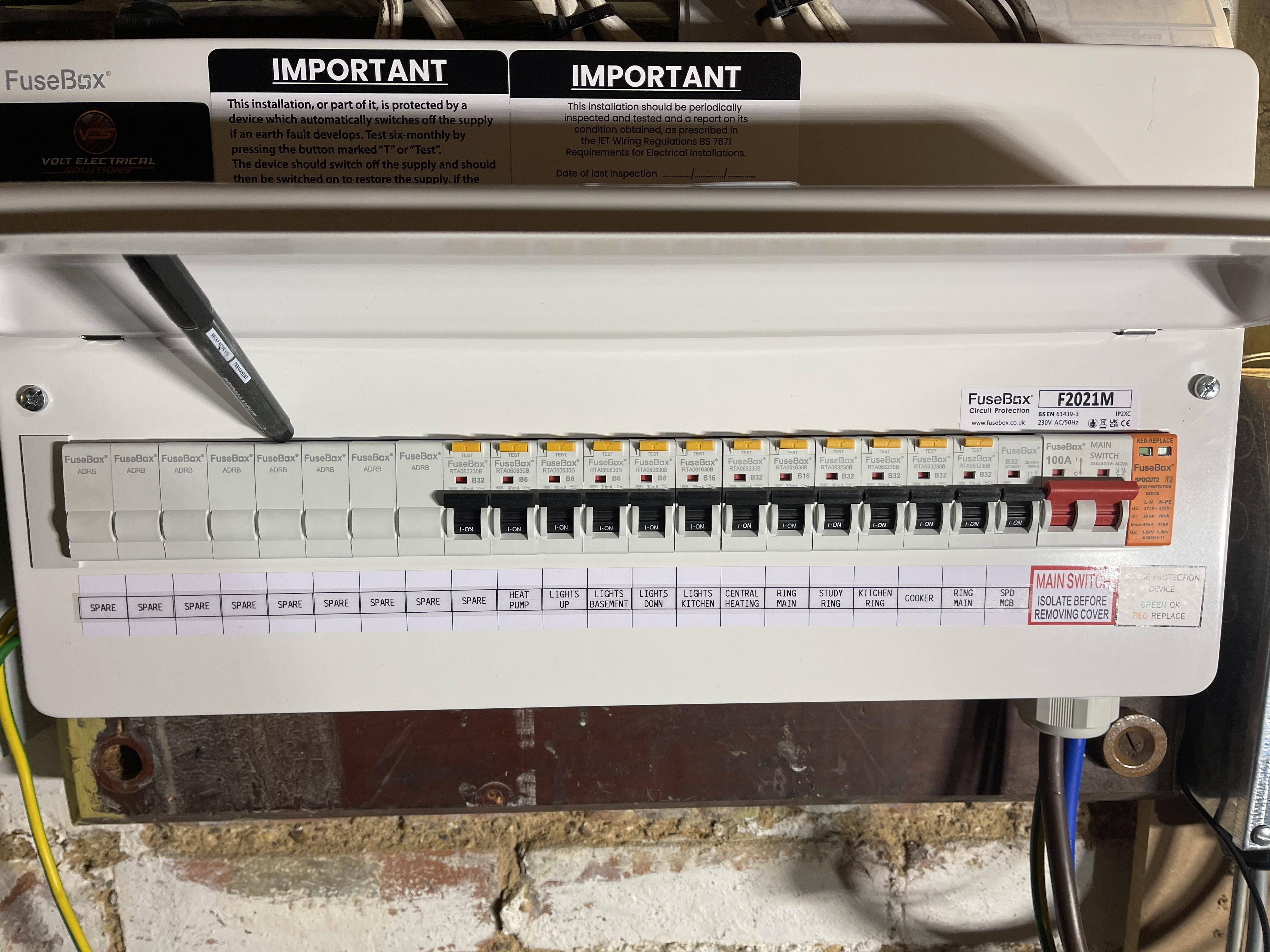
UK homes built or last rewired before the 1990s are particularly vulnerable. Older wiring — rubber-insulated cables, aluminium conductors, or anything without RCD protection — deteriorates over time and simply isn't designed for the electrical load of a modern household. Here are the five signs you should never ignore.
1. Your lights flicker or dim for no obvious reason
If your lights dim when the kettle boils, flicker when you switch on the washing machine, or buzz with an audible hum, that's your wiring struggling under load. Modern homes run on far more electrical demand than the wiring from the 1970s or 80s was designed to handle.
The odd flicker might seem harmless — but it's telling you that your cables are working harder than they should, building up heat inside your walls over time. Heat degrades insulation, which in turn increases the risk of arcing and fire.
Lights dim when you run the microwave, washing machine, or kettle
Flickering that's specific to one room or one circuit
A persistent low-level buzzing from light fittings or switches
Lights that dim gradually throughout the evening
What to do
Book a load assessment. A licensed electrician can check whether your wiring can handle your home's current demand and identify any circuits that are overloaded or running hot.

2. Your consumer unit keeps tripping
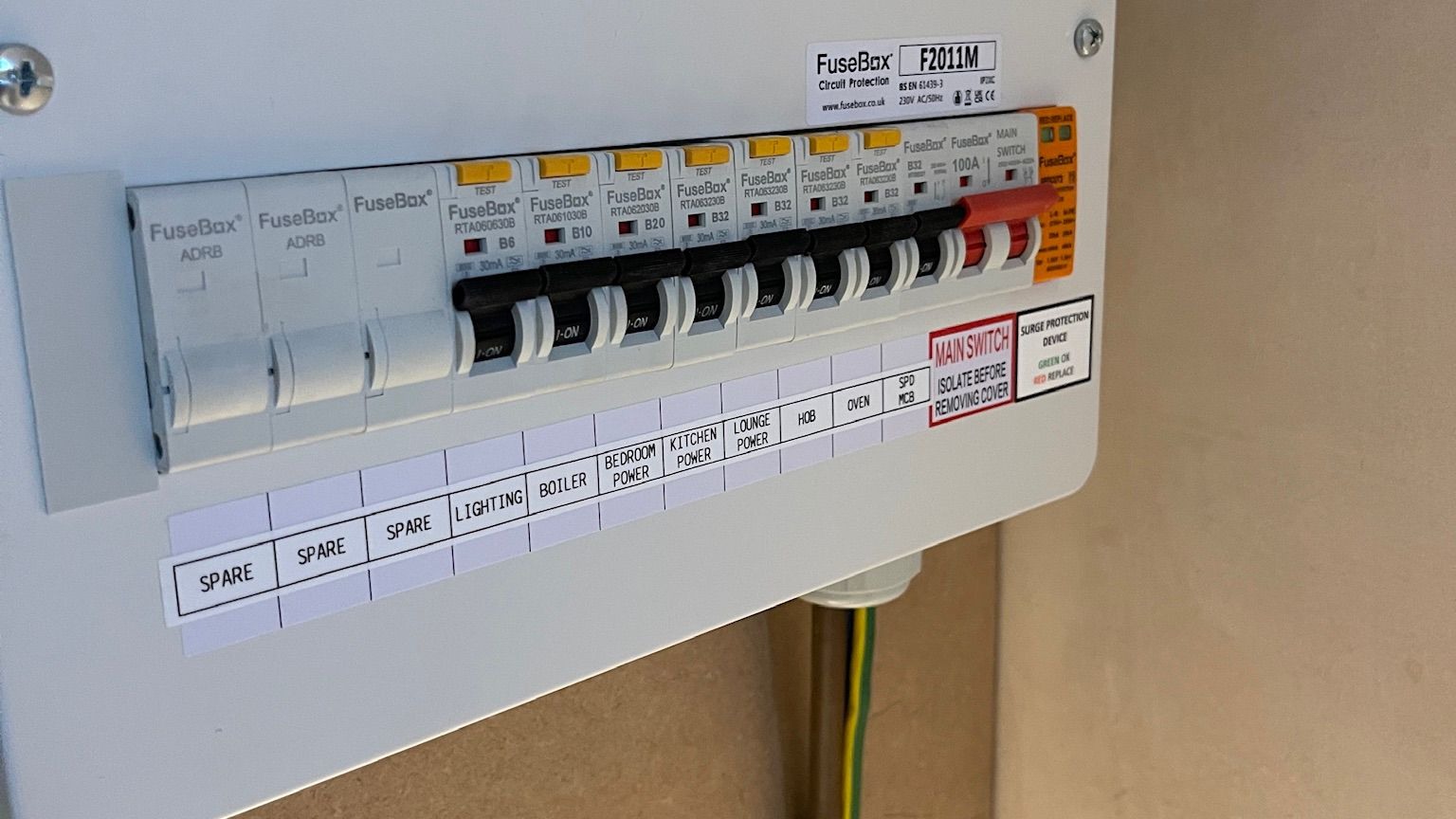
A circuit breaker tripping once isn't a crisis — it's doing its job by interrupting the circuit before damage occurs. But if your consumer unit trips regularly, especially on the same circuit, something is wrong. It could be a fault on the circuit, wiring that can't handle the load, or a miniature circuit breaker (MCB) that's failing.
Homes with older fuse boxes that still use rewirable fuses are a particular concern. These pre-date modern RCD protection and offer significantly less protection against electric shock and fire. If you're not sure whether your property has RCD protection, it's worth getting it checked.
The same breaker trips regularly under normal usage
Your consumer unit is more than 20 years old
Your fuse box uses wire fuses rather than modern MCBs
Resetting the breaker doesn't hold — it trips again within minutes
What to do
If your consumer unit is more than 15–20 years old or still uses rewirable fuses, it's time for an upgrade. A new RCD-protected consumer unit gives far better protection against electric shock and fire — and in many cases it's a requirement for landlords.
3. There's a burning smell with no obvious source
A faint "plastic" or "hot wire" smell — particularly one that comes and goes — is a serious warning sign that should never be ignored. It often means insulation is burning somewhere inside your walls, in your consumer unit, or behind a socket or switch. This can go on for hours before a visible fire starts.
A burning or plastic smell near your consumer unit, sockets, or switches
Warmth radiating from a socket or light switch you haven't been using heavily
Any visible discolouration or browning around outlet faceplates
A smell that gets stronger when you turn on a specific appliance or light
⚠ Urgent
If you can smell burning from your electrics, turn off the main switch at your consumer unit immediately and call a licensed electrician. This is not a situation to wait and see.
4. Your sockets or switches look discoloured or scorched
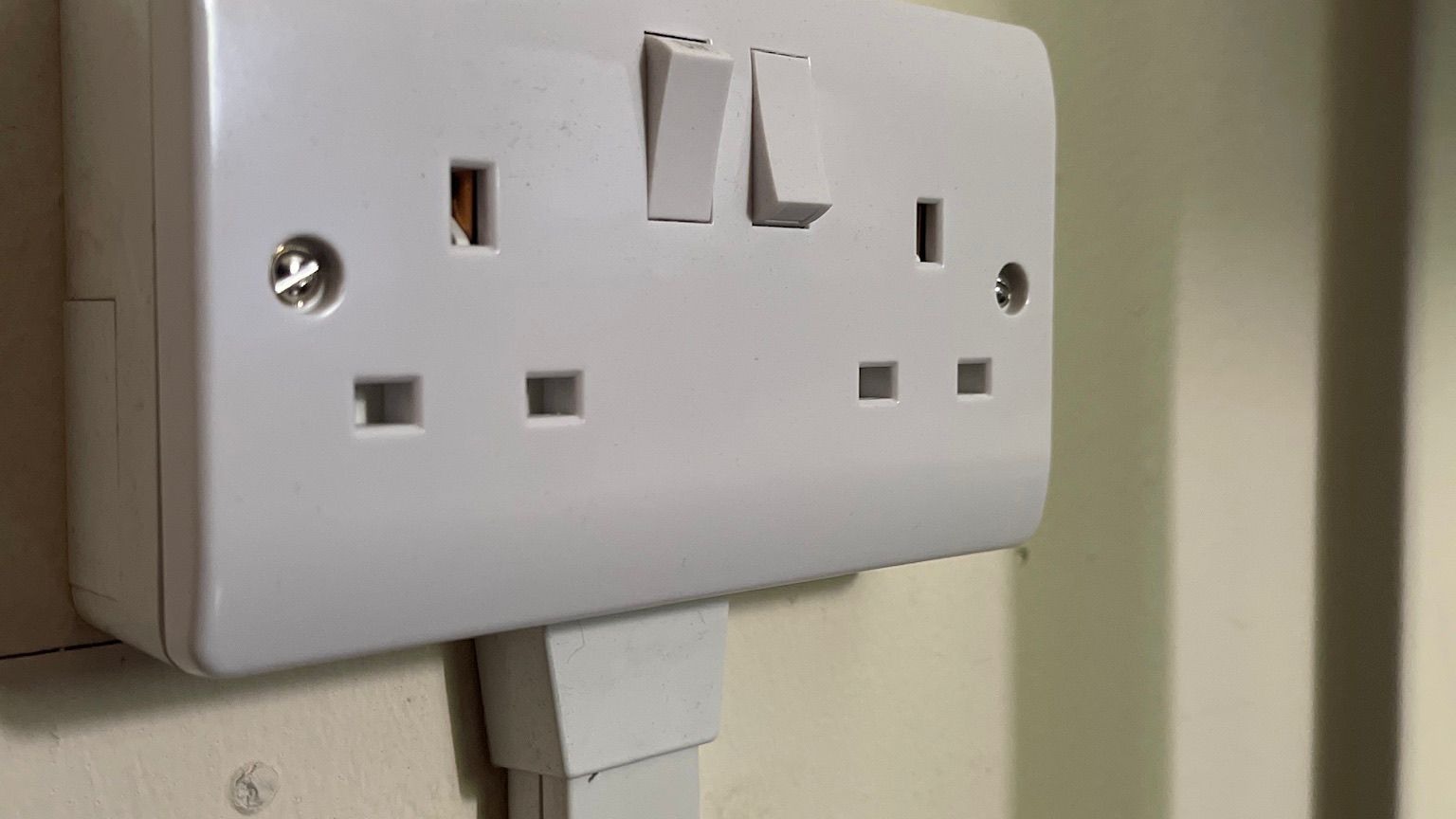
Yellowing, brown marks, or scorch marks around a socket or switch faceplate are signs that arcing has occurred — where electricity has jumped across a gap in damaged wiring or a loose terminal connection. This is a direct fire hazard, and it's a clear indicator that the wiring behind that outlet needs attention.
Even slight discolouration or a faint smell of burning when you plug something in should be taken seriously. A socket that shows signs of arcing has likely been unsafe for some time before the discolouration became visible.
Brown or yellow staining around sockets, switches, or behind faceplates
A slightly melted or warped faceplate on any outlet
Crackling or popping sounds from a socket when a device is plugged in
A warm socket or switch plate that isn't in active heavy use
What to do
Do not use any outlet that shows signs of scorching. Book an electrical inspection immediately and have the affected circuit assessed before using it again.
5. You get a mild shock or tingle from switches or appliances
Any electric shock — even a mild tingle when you touch a switch, socket, or metal appliance — is a sign of a live fault. It could indicate a grounding issue, a broken earth connection, or damaged insulation allowing current to leak onto surfaces that should be safe to touch.
This warning sign is particularly easy to ignore because the sensation is often mild. People dismiss it as static electricity or put it down to the appliance. Don't. A leaking current that gives you a small shock today can escalate into a serious shock if the fault worsens — and it usually will.
A tingle or mild shock when touching a metal appliance (kettle, washing machine, toaster)
A shock from a light switch or socket faceplate
A buzz when you plug something in — felt through the plug or device
Anyone in the household receiving shocks consistently from the same appliance or fitting
⚠ Urgent
Stop using the affected circuit or appliance immediately. Call a licensed electrician and describe what you felt and where. This is one of the most urgent warning signs on this list — don't wait for it to get worse.
What should you do next?
If your home is more than 25–30 years old and hasn't had a full rewire or an EICR (Electrical Installation Condition Report) in the last 10 years, it's worth booking an inspection. We'll give you an honest assessment — what needs attention now, what can wait, and what's in good shape.
At Volt Electrical Solutions, we carry out full and partial rewires across London, Essex and Kent. We're NICEIC approved, Part P registered, and we issue all the documentation and certification you need. Book your free estimate — no obligation, no hard sell.