






EICR explained: why every homeowner needs an electrical installation condition report
Most electrical faults are invisible until they're serious. Wiring degrades, connections loosen, and insulation breaks down — all without tripping a single breaker. An Electrical Installation Condition Report (EICR) is how you find those faults before they become fires. Here's what it covers, what the results mean, and when you need one.
1. What an EICR is — and what it actually inspects
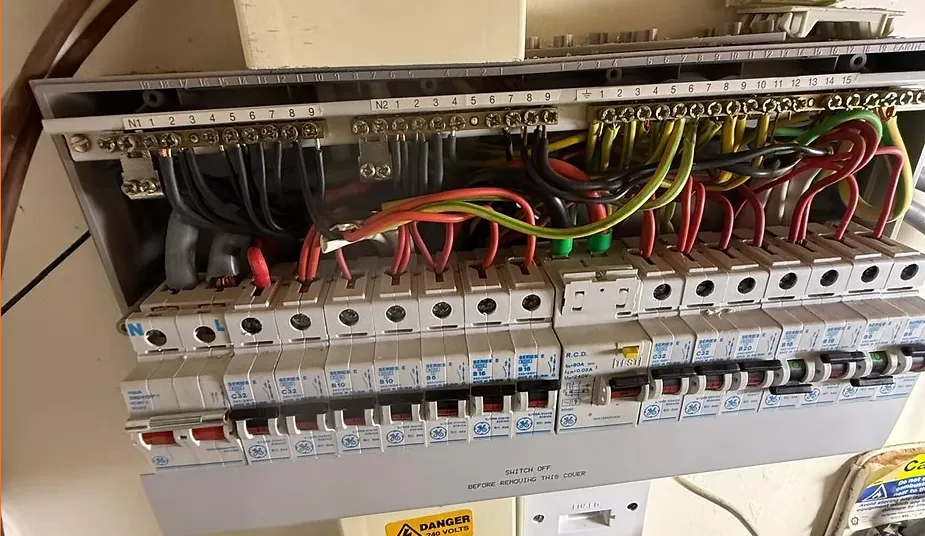
An EICR is a formal inspection and testing process carried out by a qualified electrician. It assesses the condition of your entire fixed electrical installation — the wiring, consumer unit, earthing system, bonding, socket outlets, light fittings, and every circuit in the property. It does not cover portable appliances (that's a PAT test); it covers everything that's permanently wired in.
During an EICR, the electrician works through a structured checklist defined by BS 7671 (the IET Wiring Regulations). Every circuit is tested for:
Continuity — confirming the circuit conductors are intact and connected correctly throughout
Insulation resistance — checking the insulation around conductors hasn't degraded to a point where current could leak
Polarity — confirming live, neutral, and earth are correctly connected at every outlet and fitting
Earth fault loop impedance — verifying protective devices will disconnect fast enough in a fault condition to prevent injury
RCD operation — testing that residual current devices trip within the required time under a simulated fault current
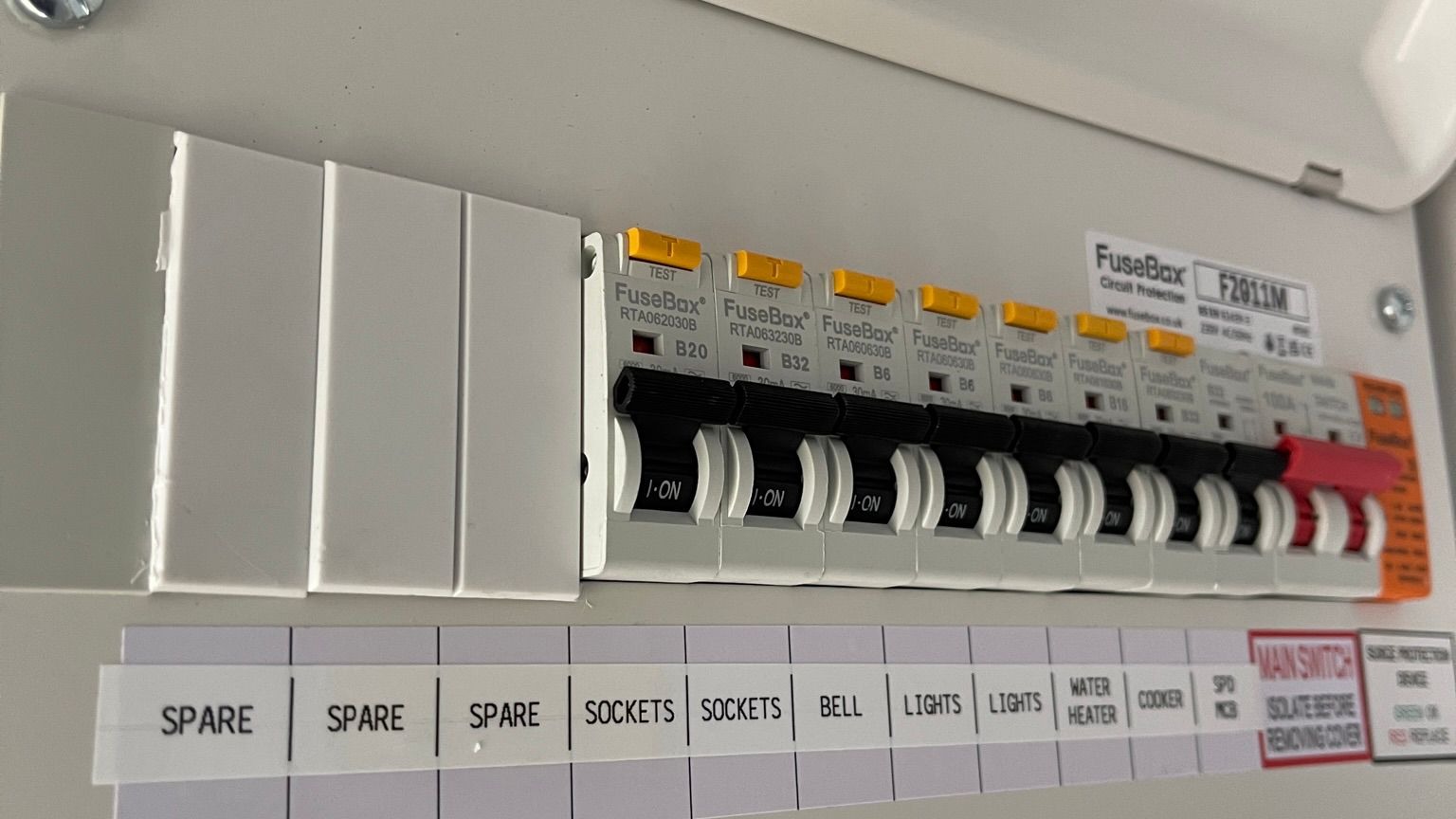
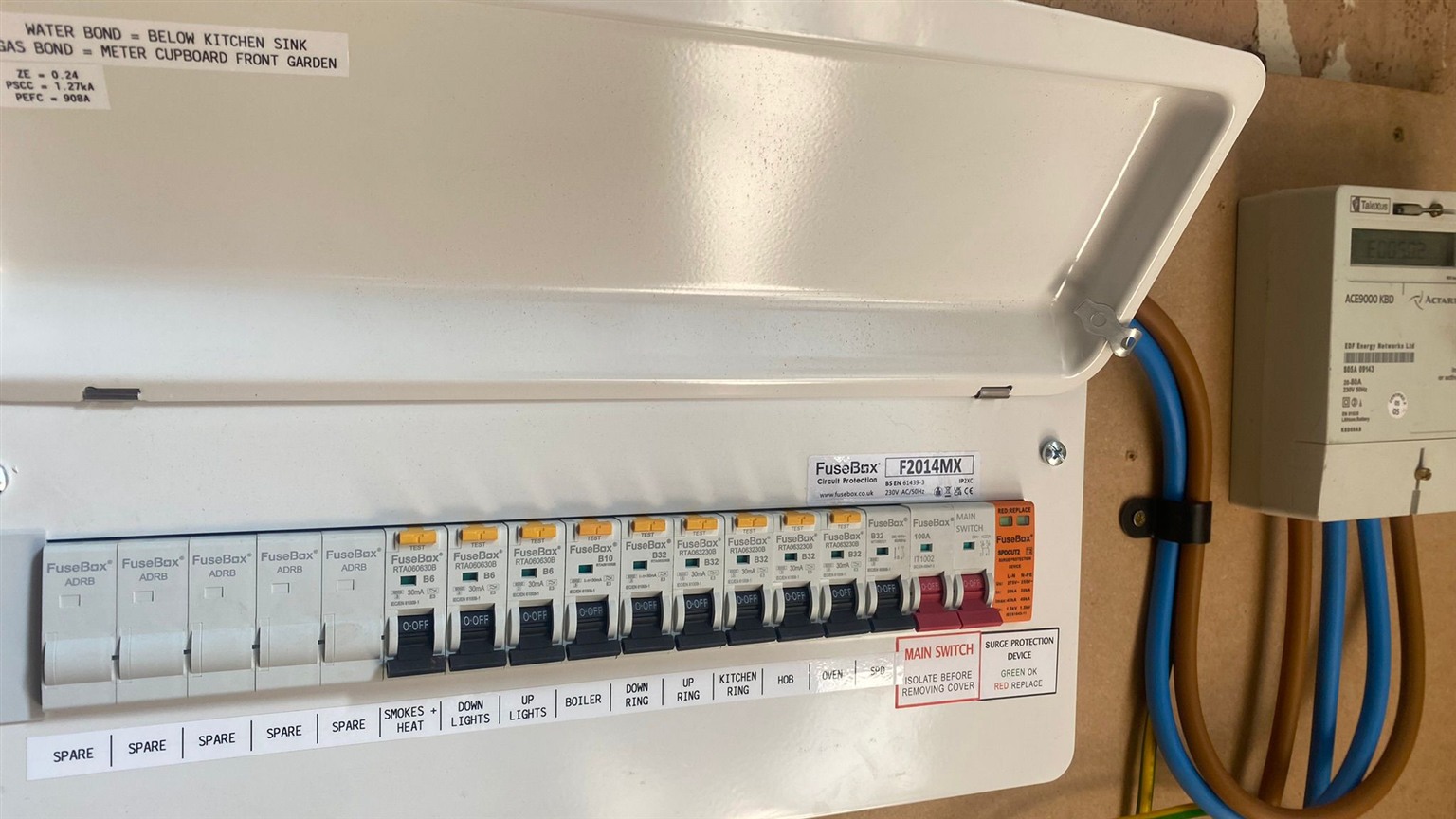
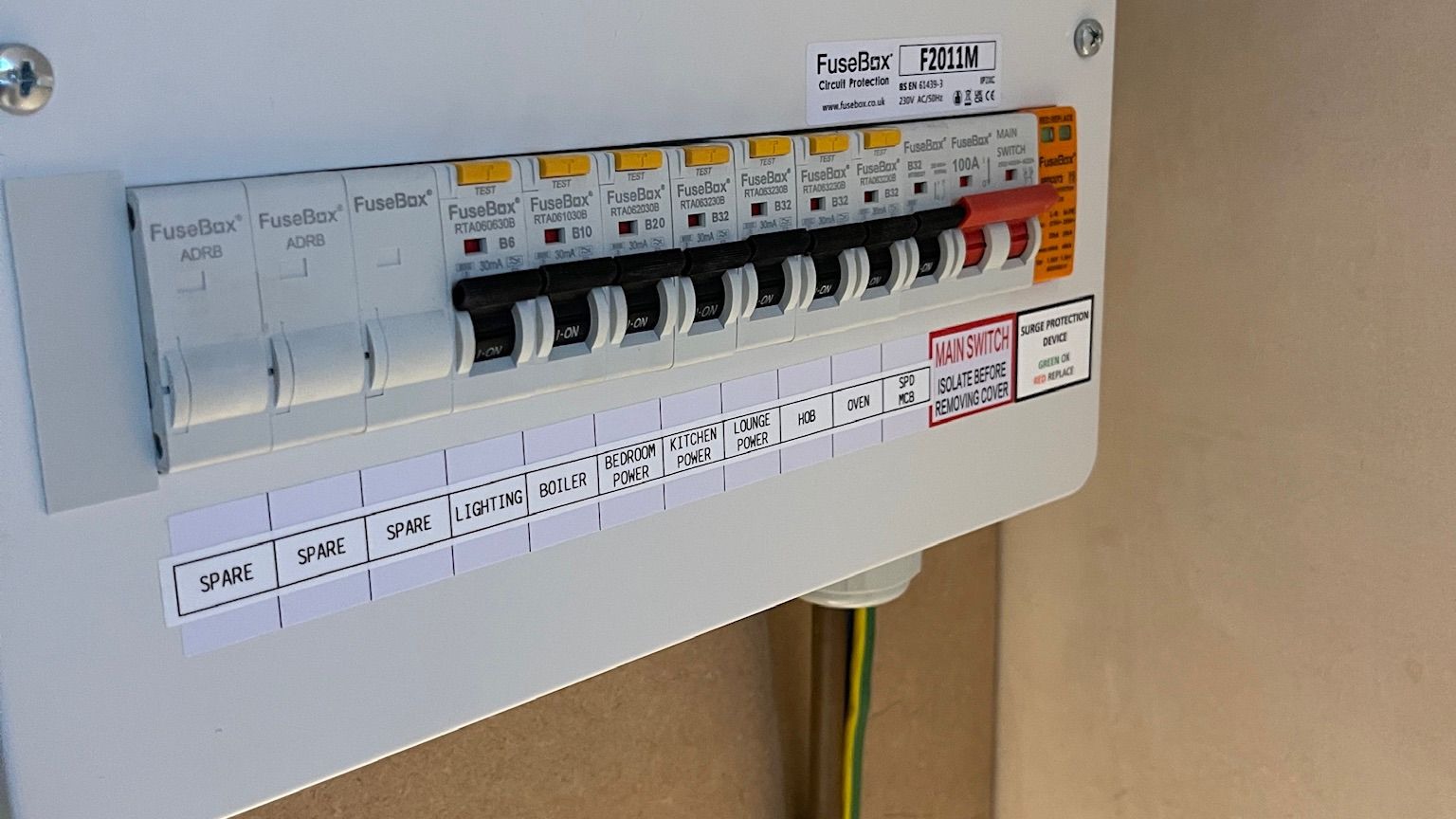
The consumer unit is visually inspected for correct protective device ratings, adequate labeling, signs of overheating or deterioration, and whether the installation type is appropriate for the property's age and usage.
2. Why electrical systems deteriorate — and why inspection matters
Electrical installations aren't static. Wiring insulation becomes brittle with age and heat cycling. Connections loosen as cable terminations expand and contract with temperature changes. Protective devices wear out. Consumer units that were compliant when installed may no longer meet current standards as regulations have tightened.
The result is a category of risk that doesn't announce itself. Unlike a leaking pipe or a cracked wall, electrical deterioration is invisible and silent — right up until it causes a fire, an electric shock, or an unexplained power failure. By the time symptoms appear, the fault has usually been developing for months or years.
An EICR gives you a complete, documented picture of the installation's current condition. If the report is satisfactory, you have evidence — for yourself, your insurer, and any future buyer — that the installation was professionally assessed and found to be in acceptable condition on a specific date.
Landlord legal requirement
Since July 2020, all private rented properties in England must have a valid EICR carried out every five years. Landlords must provide a copy to each tenant within 28 days of the inspection. Non-compliance carries fines of up to £30,000 per breach. For new tenancies, the EICR must be provided before the tenant moves in.
3. When you should schedule an EICR
There are specific situations where an EICR is required or strongly advisable:
Buying a property — an EICR before exchange gives you a clear picture of the electrical condition and any remedial costs. It's as important as a structural survey for older properties.
Property over 10 years old with no recent inspection — the recommended interval for owner-occupied homes is every 10 years, or at change of ownership
Renting out a property — legally required every 5 years for all private rentals in England
After major renovation or rewire — to confirm the work was completed correctly before the property is occupied
Visible warning signs — flickering lights, burning smells near outlets, warm sockets, repeated MCB trips on the same circuit, or any electric shock from touching appliances
Remortgaging or equity release — some lenders now require a current EICR as part of the valuation process
Insurance renewal — some insurers require documentation of recent inspection for older properties
How often?
Owner-occupied: every 10 years or at change of ownership. Private rental: every 5 years (legally required). Properties over 25 years old: every 5 years regardless. After any major fault event or significant electrical work: immediately.
4. What the report shows — understanding C1, C2, and C3 codes
The EICR report categorises every finding using a standard code system. Understanding what each code means is important — they determine what happens next and how quickly you need to act.
C1
Danger present
Risk of injury. Requires immediate remedial action — the installation should not be used until the fault is corrected. A C1 finding is rare but serious: exposed live conductors, missing earth connections, or severely degraded insulation.
C2
Potentially dangerous
Not immediately dangerous but could become so. Urgent attention required — typically within 28 days. Common C2 findings include incorrect protective device ratings, absent RCD protection on circuits that require it, or inadequate earthing.
C3
Improvement recommended
Does not render the report unsatisfactory but should be addressed. Common C3 items include outdated wiring types that still function but don't meet current standards, or consumer units without SPD provision.
A report containing only C3 findings is classed as Satisfactory. A report with any C1 or C2 findings is classed as Unsatisfactory — meaning the installation has faults that must be remedied before it can be re-certified. Unsatisfactory doesn't mean the building is immediately uninhabitable, but it does mean remedial work is required and should be documented.
5. What Volt's EICR process looks like
Our EICR inspections follow the full Schedule of Inspections and Schedule of Test Results required by BS 7671. Every circuit is tested individually, all results are recorded, and the report is issued with a clear summary of findings, any remedial recommendations, and the overall Satisfactory or Unsatisfactory verdict.
If the report is unsatisfactory, we provide a detailed quotation for remedial work at the time of the inspection. There's no obligation to use us for the repairs — but having the quote in hand means you can act quickly if needed. If you do proceed with us, the remedial work is completed to BS 7671 standard and the installation is re-tested before a new certificate is issued.
Every EICR we carry out is completed by a qualified electrician holding the City & Guilds 2391 Inspection and Testing qualification. The report is signed, dated, and issued in the standard NICEIC format — accepted by all major insurers, mortgage lenders, local authorities, and letting agents.
Know the condition of your wiring. Book an EICR.
Volt Electrical Solutions carries out EICR inspections for homeowners, landlords, and businesses across London and Essex. NICEIC approved, City & Guilds qualified, reports issued in standard format — accepted by all insurers and letting agents.
Call 07984 919 757 or book online — most domestic EICRs are completed in a single visit.