






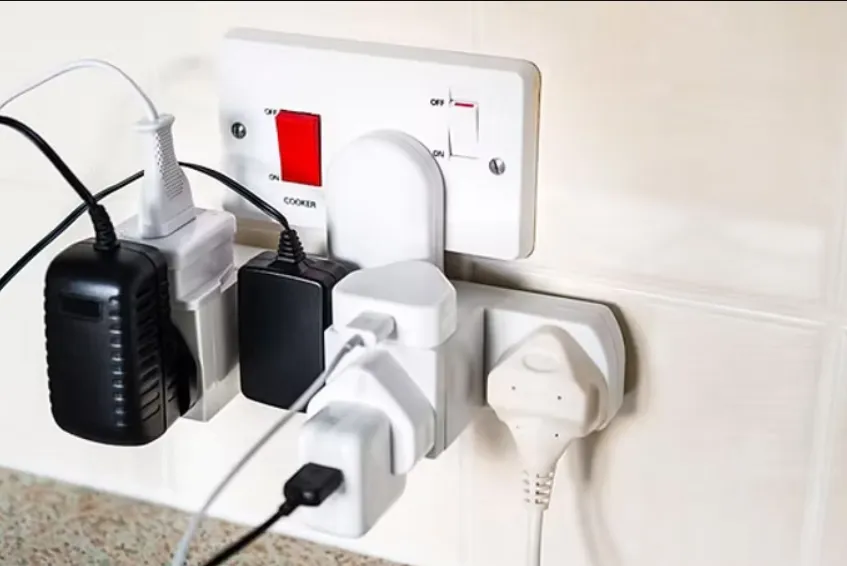
Electrical safety: avoid overloading sockets
Overloading sockets is one of the most common causes of electrical fires in UK homes — and one of the easiest risks to avoid. Here are five practical tips to keep your home powered safely.
1. Know the power limits of your sockets
Every standard UK wall socket is rated at 13 amps — that's roughly 3,000 watts. That sounds like plenty, but it adds up fast. A kettle alone draws around 3,000W. An electric heater typically pulls 2,000–3,000W. A microwave uses 800–1,200W.
Plug two or three high-wattage appliances into the same socket via an extension lead and you can push well beyond that 13A limit without realising it. Too much load means too much heat in the wiring — and sustained heat is how fires start.
Quick rule to remember
Never run more than 3,000W total through a single socket outlet. Add up the wattage on the plugs or adapters connected to any one socket — if you're approaching 3,000W, you're at the limit.
2. Ditch the daisy chains
Daisy-chaining — plugging one extension lead into another — is one of the most dangerous habits in the home. Each extension lead has its own maximum load rating, typically 13A. Chaining leads together doesn't increase that limit; it just multiplies the number of sockets while keeping the same overload risk at the wall outlet.
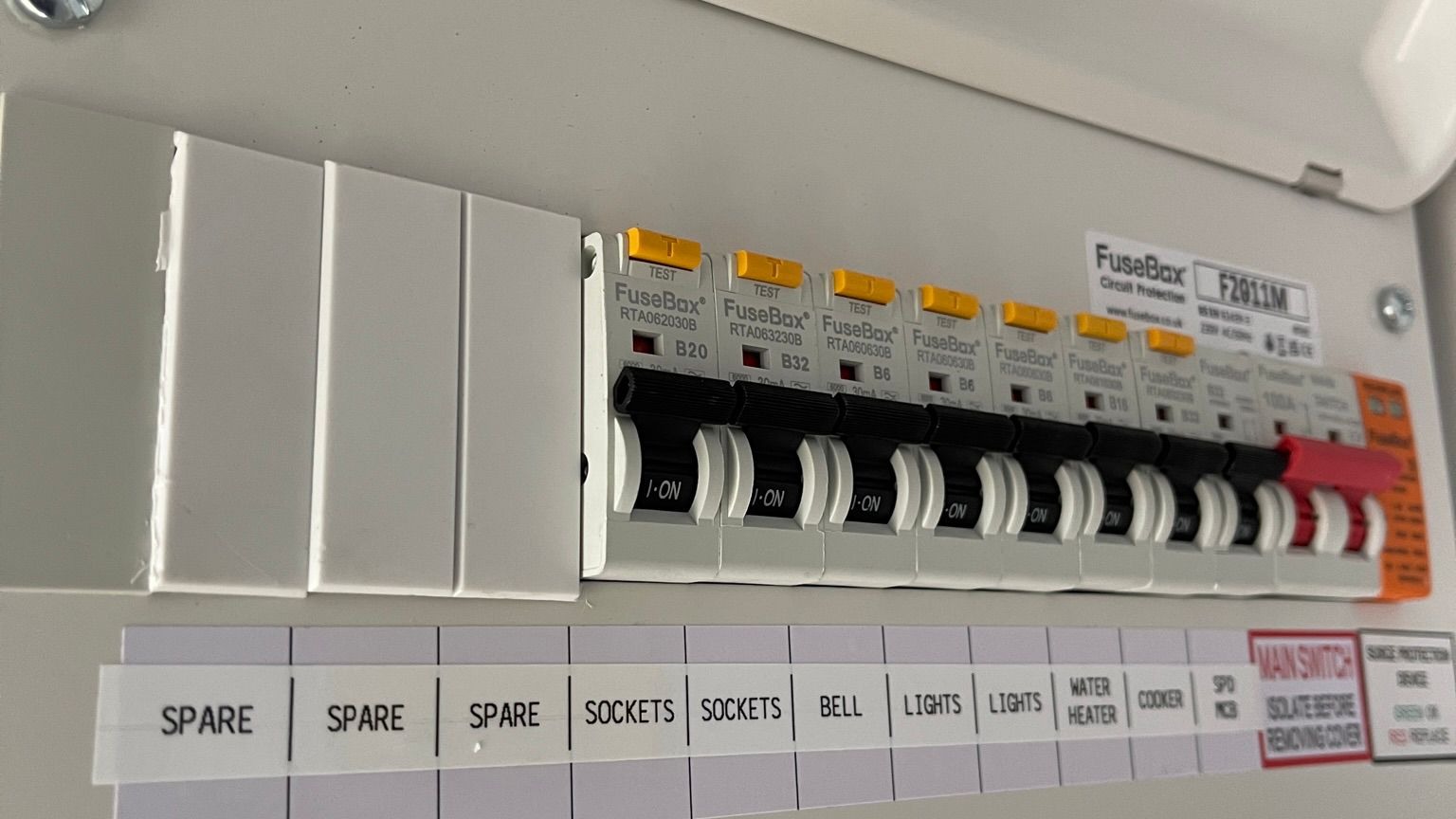
If you regularly need more sockets than your wall outlets provide, the right solution is to add more outlets. A qualified electrician can install additional double sockets on your existing ring or radial circuit — a straightforward, affordable job that permanently solves the problem without the fire risk of daisy-chained leads.
What to do instead
Replace daisy-chained extension leads with properly wired additional wall sockets. A new double socket added to an existing ring circuit typically costs less than most homeowners expect — and it's the permanent, safe solution.
3. Feel your plugs and sockets regularly
A socket or plug that feels warm to the touch after normal use is a warning sign. Under normal load, outlets and plugs should be at room temperature. Warmth means resistance — usually from a loose connection, a worn contact, or a circuit running consistently near its limit.
Other warning signs that your sockets need attention:
Fuses blowing repeatedly on the same circuit
Lights flickering or dimming when large appliances switch on
Crackling, buzzing, or any smell from sockets or plugs
Scorch marks or discolouration around socket faces
Plugs that feel loose or don't seat firmly in the outlet
Any of these signs warrant a call to a certified electrician — not a reset, not a swap to a different socket, but an inspection.
4. Use the right extension lead for the job
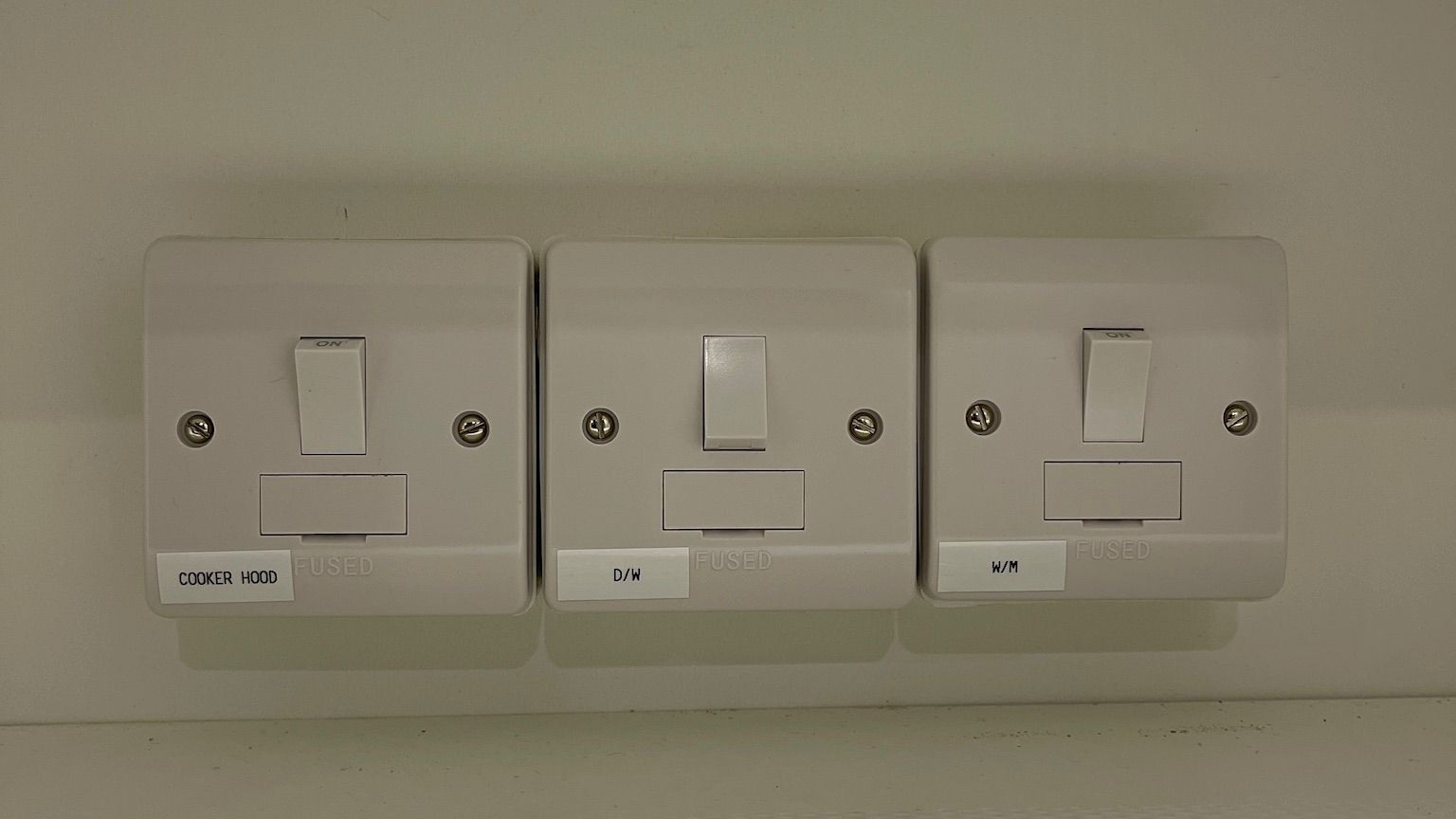
Not all extension leads are equal. For high-wattage appliances, always use a lead rated for the load — check the amp or watt rating printed on the lead itself. A lead rated at 6A (1,380W) is fine for phone chargers and desk lamps but is not suitable for a heater or a kettle.
For electronics like computers, TVs, and home office equipment, a surge-protected power strip with a built-in circuit breaker adds a useful extra layer of protection against voltage spikes. That said, even a good surge protector is not a substitute for properly installed, load-appropriate circuits.
One rule for extension leads
One high-powered appliance per socket — no exceptions. Kettles, toasters, microwaves, and heaters each need their own outlet. Sharing a four-gang strip between all of them is the fastest way to overload a circuit.
5. Schedule a professional safety check
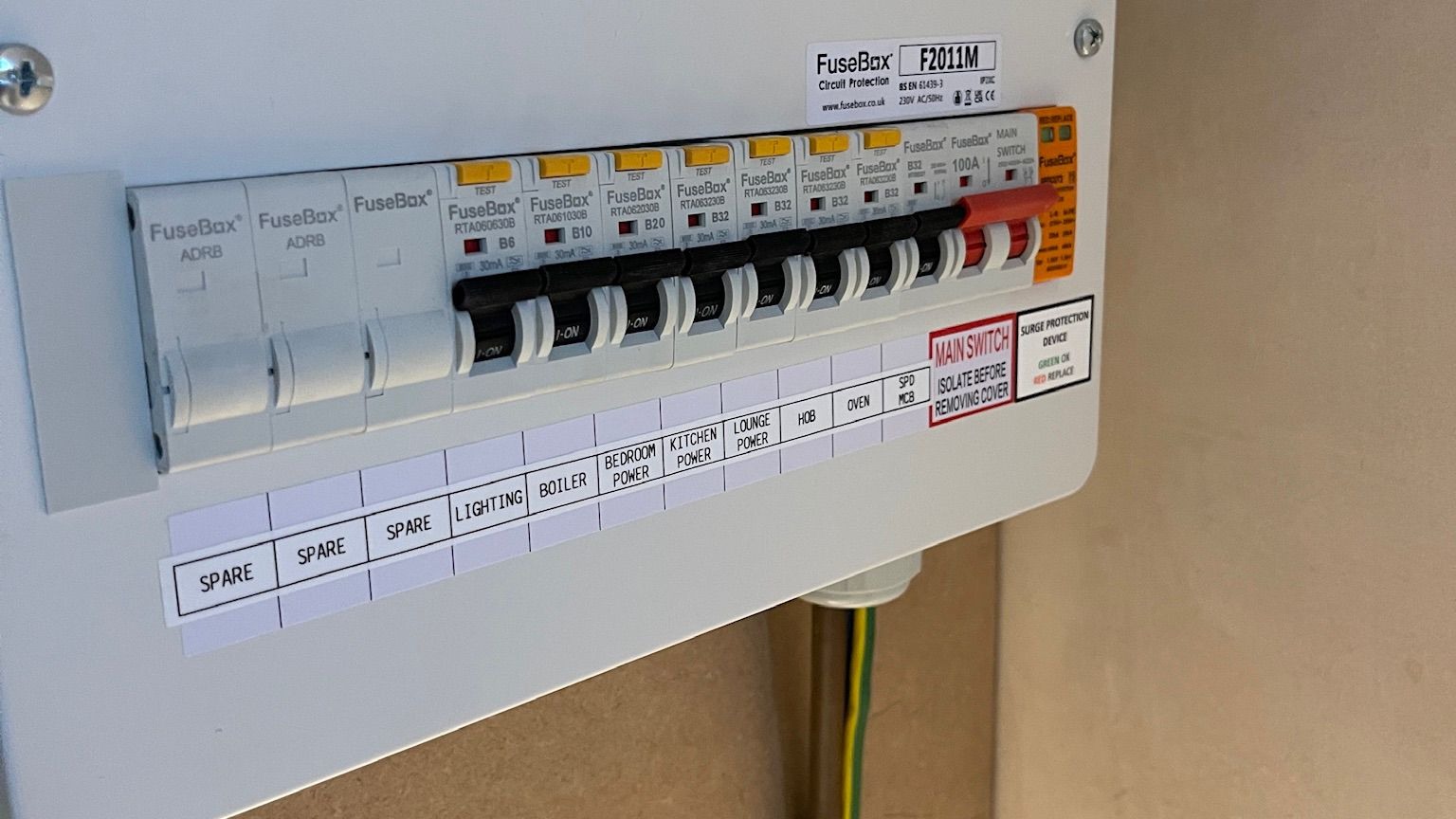
If your home is more than 20 years old, or if you've never had an electrical inspection, it's worth booking an Electrical Installation Condition Report (EICR). This is a full assessment of your wiring, sockets, consumer unit, and circuit loads — carried out by a certified electrician and documented with a formal report.
An EICR will flag circuits that are running close to their limits, identify sockets with degraded contacts or inadequate earthing, and check that your consumer unit has the right protective devices for the loads you're running today. It's the clearest, most thorough way to know whether your home's electrics are up to the job.
Power safely. Book a free estimate.
Volt Electrical Solutions carries out EICR inspections, additional socket installations, and consumer unit upgrades across London and Essex. NICEIC approved, Part P certified, 12-month workmanship guarantee on every job.
Call 07984 919 757 or book online — same-day appointments available.