






How electrical insurance protects your home and why it matters
Your home insurance may be less solid than you think — if your wiring is outdated, a claim after an electrical fire could be rejected. Here are five things every homeowner needs to know about electrical insurance and how to keep your cover intact.
1. What electrical insurance actually covers
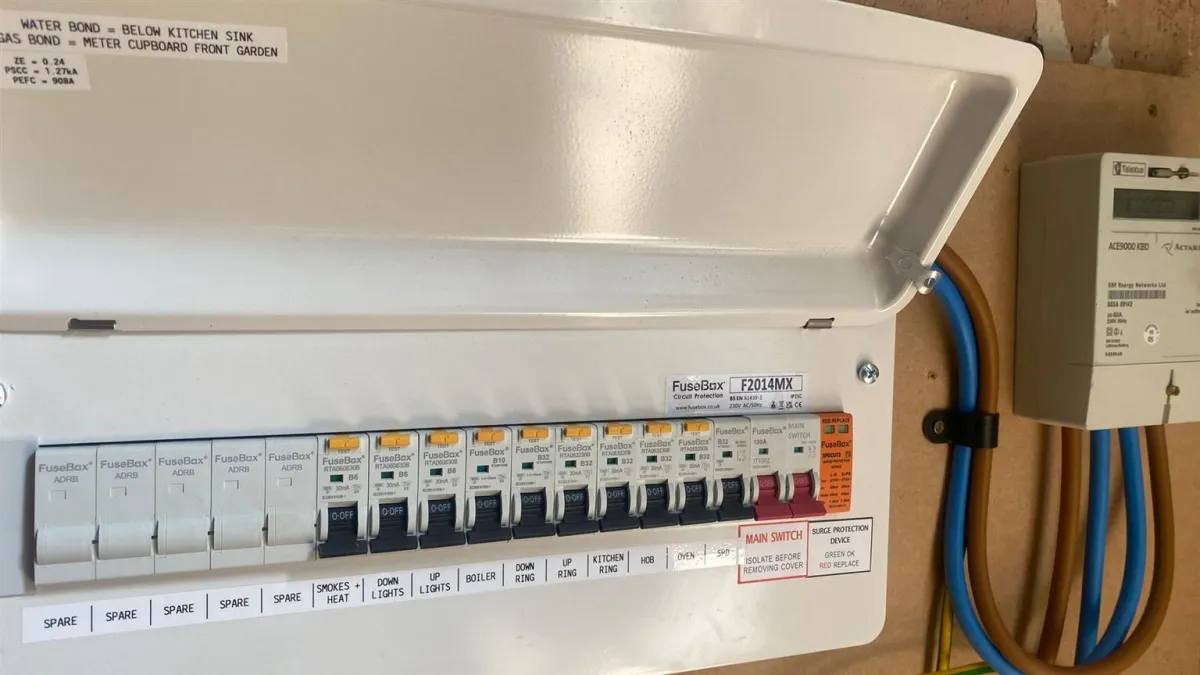
Standard home insurance policies cover damage caused by sudden, unexpected electrical events — a fire sparked by a wiring fault, damage from a power surge, or the cost of repairs following a short circuit. Some policies also include cover for the electrical installation itself, paying to repair or replace faulty wiring, consumer units, and associated components.
But the word "unexpected" carries weight. Insurers distinguish between an unforeseen fault and a foreseeable hazard. If your installation was already defective — old, uninspected, or altered by an unqualified person — what happens next is classified as predictable, not sudden. And predictable damage is typically excluded.
Check your policy wording
Look for clauses about "gradual deterioration," "pre-existing conditions," and "professional installation." These sections define exactly where your cover ends — and they're the first things a loss adjuster reads after an electrical claim.
2. Why outdated wiring increases your risk — and your premiums
Wiring has a service life. Rubber-insulated wiring from pre-1960s properties becomes brittle and crack-prone over time. Aluminium wiring from the 1960s and 70s expands and contracts with heat, loosening connections. Even PVC wiring from the 1980s and 90s may be reaching the end of its reliable lifespan in properties that haven't been rewired.
The warning signs are visible well before a fault becomes serious:
A faint burning smell near sockets or the consumer unit
Repeated MCB trips or blown fuses on the same circuit
Discolouration or scorch marks around socket faces
Mild tingling when touching appliances or metal fixtures
Lights flickering when large appliances switch on
Insurers are aware of the risk profile attached to older properties. If your installation hasn't been inspected recently, or if you've never received an EICR, your policy may already carry exclusions you haven't read carefully — or your premium may be higher than it needs to be.
3. How electrical upgrades can reduce what you pay
Insurers price risk. A modern consumer unit with RCD protection, an up-to-date rewire, and a valid EICR certificate all reduce the probability of an electrical fire — which reduces the insurer's exposure. Many insurers pass some of that reduced risk back as a lower premium, or apply it to remove exclusions that would otherwise apply to older installations.
The upgrades with the clearest impact on insurability:
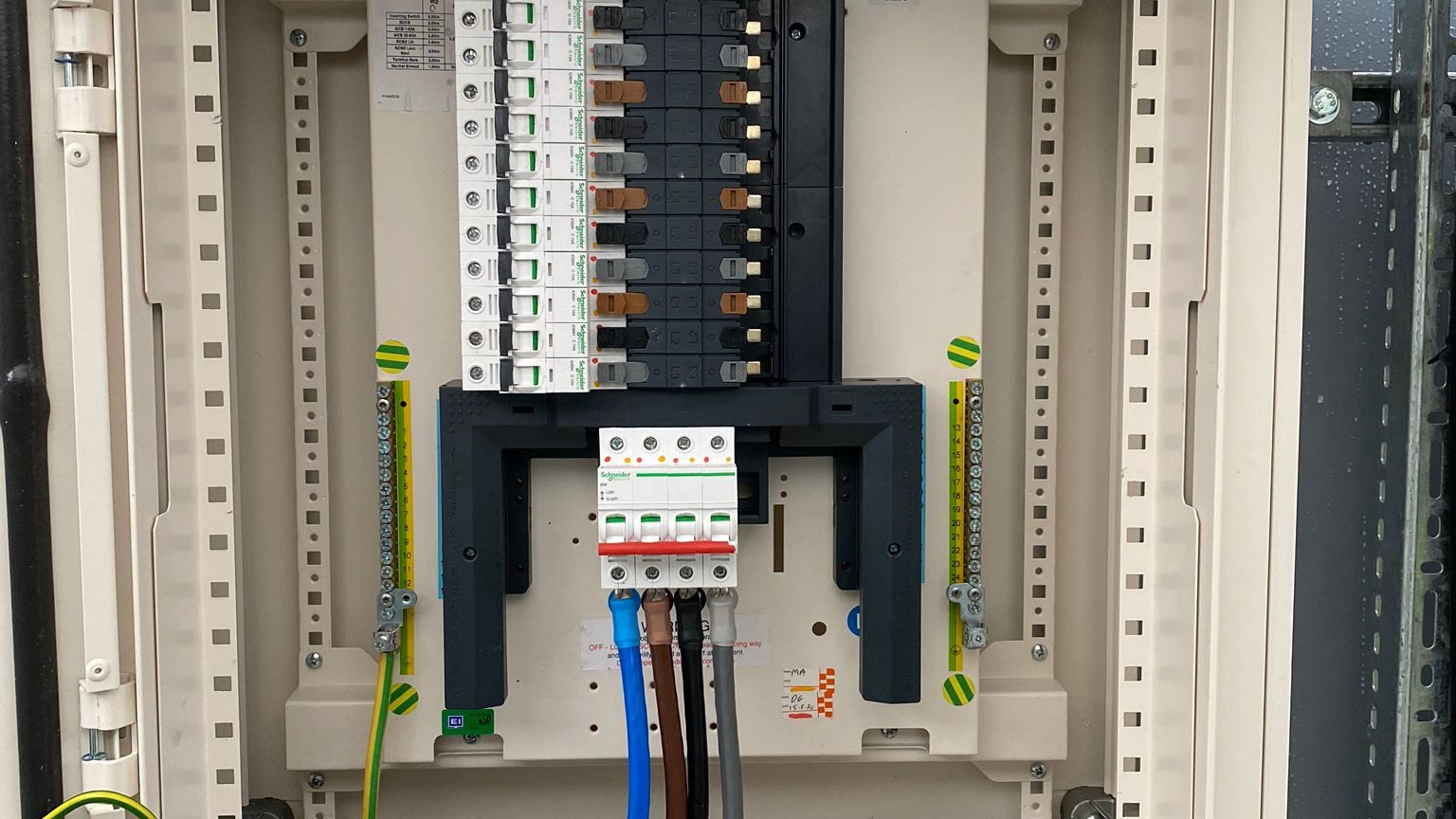
Full consumer unit replacement — replaces rewireable fuses with MCBs and RCDs, eliminating the most common source of under-protection claims
Rewiring — removes degraded insulation and brings wiring to current standards throughout the property
SPD installation — surge protective devices reduce risk of appliance damage claims from grid events or lightning
EICR certification — provides the documented evidence insurers need to confirm the installation was professionally assessed
It's worth calling your insurer directly after a significant electrical upgrade to ask whether your premium or policy terms can be revised. The answer is often yes — particularly after a rewire or consumer unit upgrade.
Landlord obligation
Since 2020, all private rented properties in England require a valid EICR every 5 years. Failure to comply is a criminal offence carrying fines of up to £30,000 — and any electrical damage claim made against an invalid policy is likely to be rejected in full.
4. Keep your insurance valid with regular EICR inspections
An Electrical Installation Condition Report (EICR) is a formal inspection of your property's entire electrical installation — carried out by a qualified electrician and graded as Satisfactory or Unsatisfactory. It isn't a test of individual appliances; it assesses the fixed wiring, consumer unit, earthing, bonding, and the condition of every circuit in the building.
Many insurers now require a current EICR for home insurance to remain fully valid — particularly for properties over 25 years old or with known installation age. Some insurers won't pay out on electrical claims at all if the property lacks a recent EICR, regardless of the cause. Others use the absence of one to raise questions about maintenance that shift the burden of proof onto the homeowner.
The recommended inspection frequency:
Owner-occupied homes: every 10 years, or at change of ownership
Private rentals: every 5 years (legally required in England)
Properties over 25 years old: every 5 years regardless of tenure
After significant electrical work or following any fault event
5. Always use a qualified, certified electrician
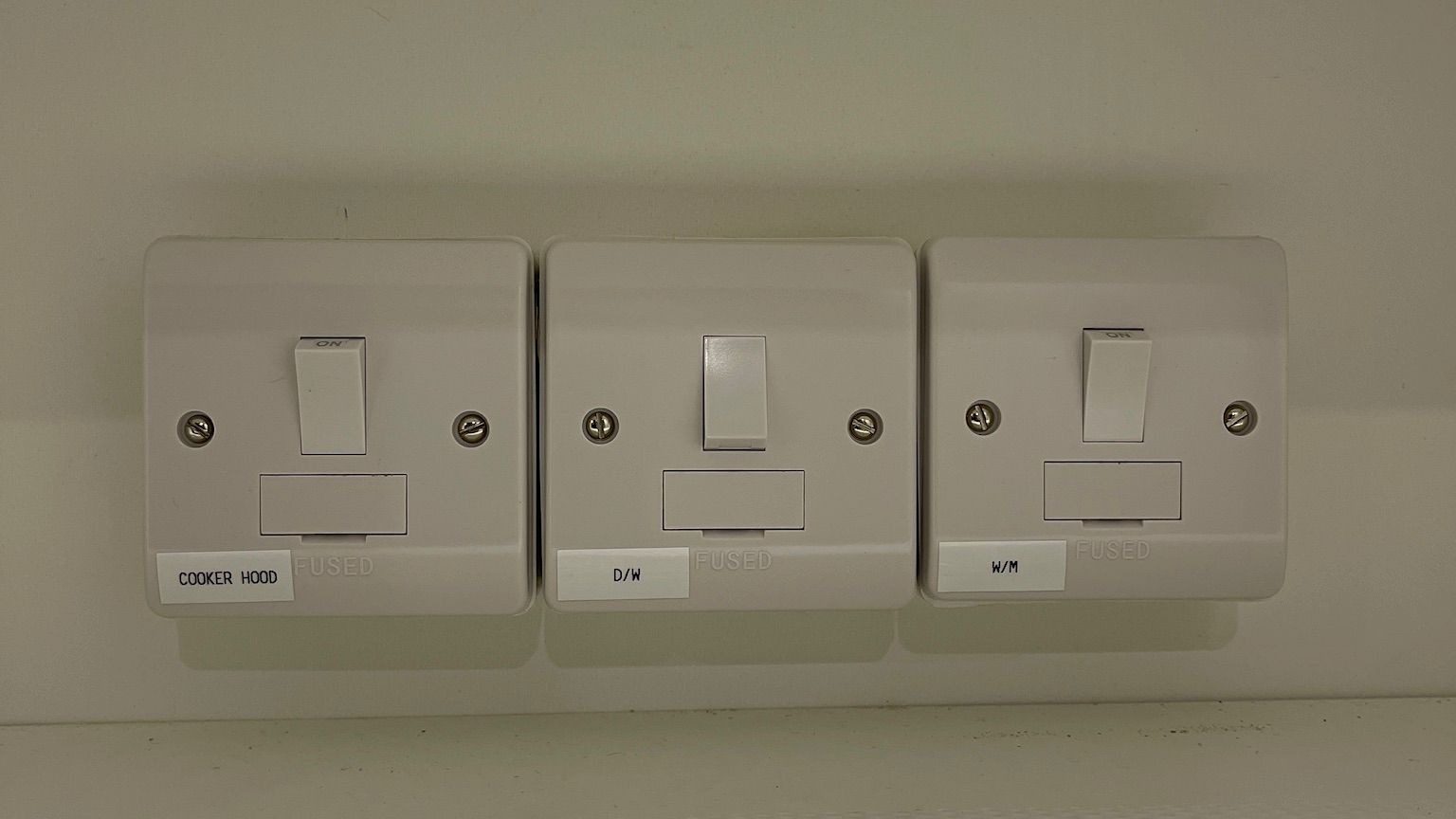
This is the most straightforward way to protect both your safety and your insurance policy: only have electrical work carried out by a qualified electrician registered with a government-approved scheme such as NICEIC, NAPIT, or ELECSA.
When a certified electrician completes notifiable work — a rewire, a consumer unit replacement, or new circuits — they self-certify the work to Building Regulations Part P and notify your local authority. You receive a completion certificate confirming the work was done to current standards. That certificate is what your insurer needs.
Claims are regularly rejected where work was carried out by an unqualified person — including by the homeowner. The insurer's position is simple: if the person who did the work wasn't qualified to assess its safety, the insurer has no reliable basis for covering the risk. No certificate means no certainty, and no certainty means no payout.
How to verify a contractor
Ask to see the electrician's NICEIC card or check their registration at niceic.com. A legitimate NICEIC-approved contractor can be searched by name, company, or postcode. Volt Electrical Solutions is NICEIC approved — all work is self-certified and documented.
Don't let your cover have gaps. Book an EICR.
Volt Electrical Solutions carries out EICR inspections, consumer unit upgrades, and full rewires across London and Essex. NICEIC approved, Part P certified, 12-month workmanship guarantee on every job.
Call 07984 919 757 or book online — same-day inspection slots available.