






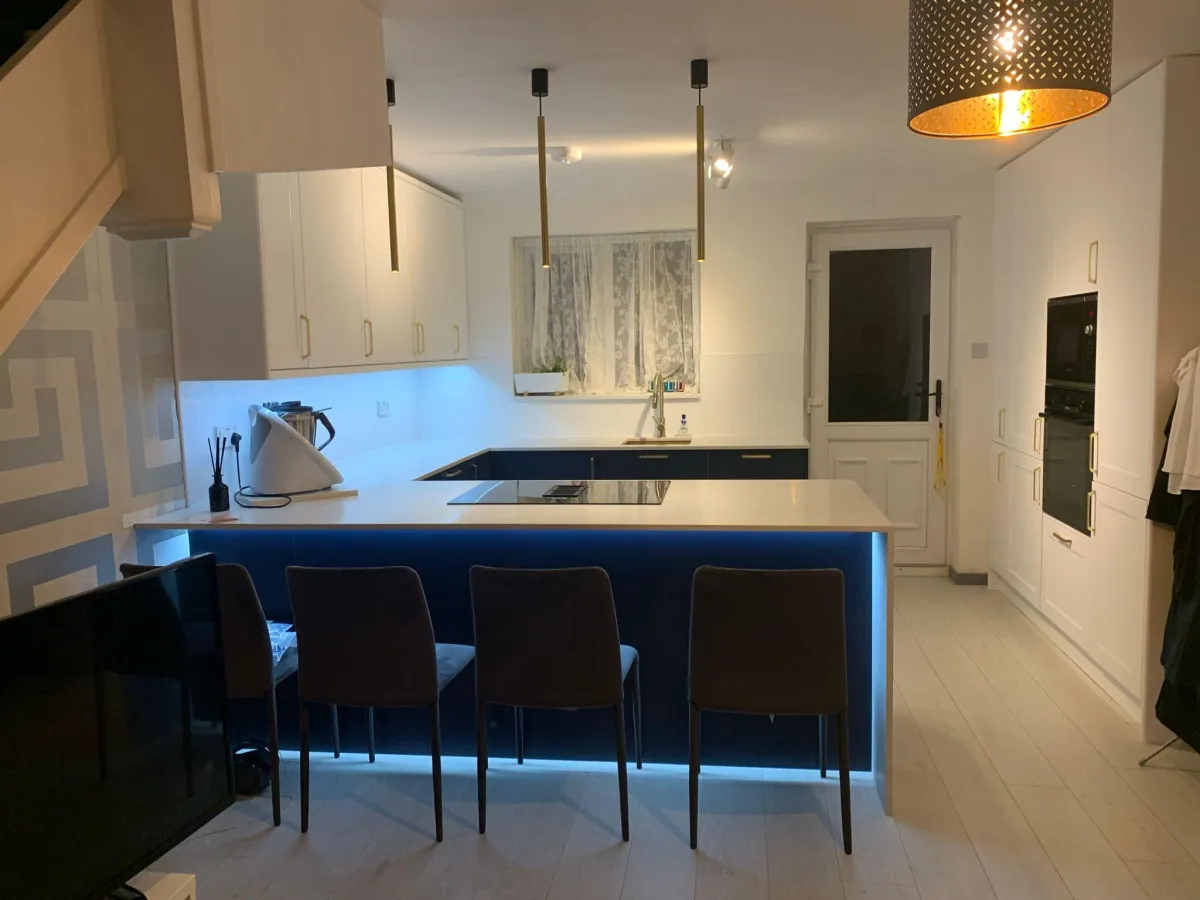
How smart home systems can save you time, energy, and money
The way homes are wired is changing. Smart lighting, programmable thermostats, automated plugs, and integrated security systems are no longer reserved for new builds or high-end renovations. Properly installed, they deliver measurable savings in time, energy, and running costs — and they start from the same consumer unit every UK home already has.
30%
Average energy saving for UK homeowners who switch to smart systems
5%+
Average increase in property value from smart home upgrades
1 app
Full home control — lighting, heating, security, and energy monitoring
1. They save you time
The daily friction of managing a home — adjusting heating before you leave, turning lights off in empty rooms, charging devices overnight — disappears when these actions are automated. A properly configured smart home runs on schedules and triggers rather than manual intervention.
What this looks like in practice:
Smart lighting scenes — a single voice command or phone tap sets every light in a room to the right colour temperature and brightness for what you're doing; no individual switches, no running upstairs to check
Scheduled heating — a smart thermostat learns your wake and sleep times, adjusts for occupancy, and sets itself back when you leave; no more heating an empty house
Automated routines — "leaving home" and "arriving home" scenes trigger across all connected devices simultaneously: lights off, heating back, alarm set, sockets with standby appliances cut
Remote control — adjust any device from your phone regardless of where you are; useful for letting trades in, checking you left an appliance on, or managing heating from the car on the way home

2. They reduce your energy use
Smart devices are specifically designed to eliminate passive waste — energy consumed by appliances that are running when they don't need to be. The savings compound across heating, lighting, and plug-in devices.
Key areas where smart systems cut consumption:
Smart thermostats — devices like Hive, Nest, and Tado learn occupancy patterns and optimise heating schedules automatically; combined with TRV (thermostatic radiator valve) control, individual rooms can be zoned so you only heat the spaces you use
Smart lighting — LED bulbs controlled by smart switches or smart dimmers consume a fraction of legacy halogen or incandescent loads; motion-triggered or occupancy-based switching eliminates lights left on in unoccupied rooms
Smart plugs and sockets — monitoring plug load in real time reveals which appliances cost the most to run; schedules cut standby draw from televisions, gaming consoles, and audio equipment that account for 9–16% of a typical household's annual electricity use
Energy dashboards — whole-home energy monitoring via smart meters and connected apps shows consumption by circuit, hour of day, and appliance — giving you the data to make informed decisions about what to change
Smart thermostat installation
Most smart thermostats are marketed as DIY, but UK installations often require a system boiler check and wiring verification before fitting. If your boiler uses a single-channel programmer with no separate room thermostat, the wiring needs upgrading to support a smart system. This is notifiable work and should be confirmed by a qualified electrician alongside your heating engineer.
3. They keep your home safe
Smart home technology extends beyond convenience into active security and safety monitoring. Integrated systems put live notifications, camera feeds, and alarm controls in your pocket — from anywhere.
Smart security cameras — indoor and outdoor cameras with motion detection send real-time alerts and record to the cloud; accessible from any device, with two-way audio on most modern systems
Smart doorbells — video doorbells log every visitor with a timestamped record; packages can be confirmed received, and you can answer the door from anywhere in the world
Smart alarms and sensors — door, window, and motion sensors integrated with a smart hub can trigger alerts, activate lighting, or sound an alarm autonomously, without a monthly monitoring contract
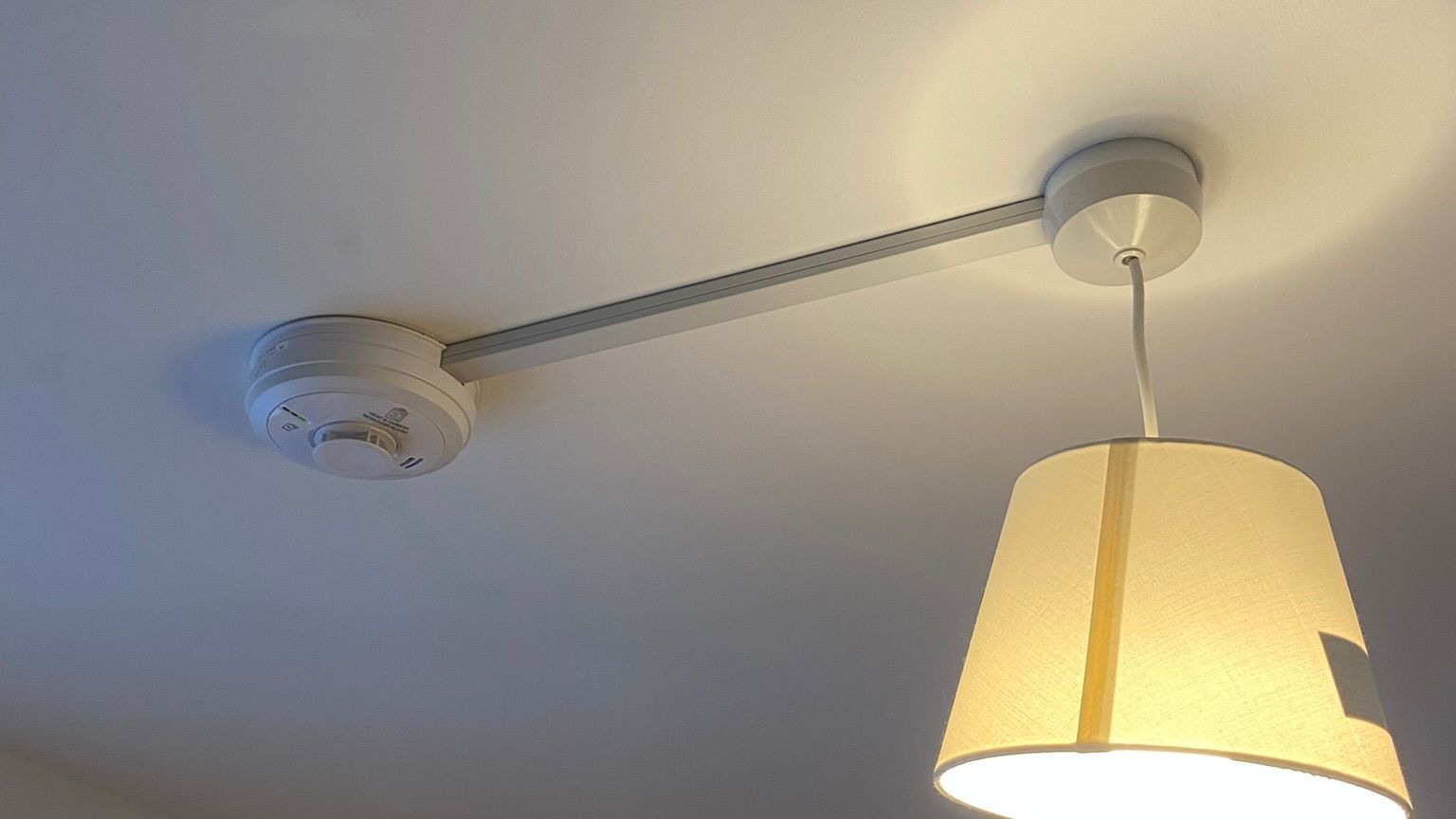
Smart smoke and CO detectors — interconnected smart detectors alert your phone the moment a sensor triggers, even if you're not home; some also integrate with smart lighting to turn on all lights when a fire alarm sounds
Remote socket switching — turning off a device you left plugged in from your phone is a safety function as much as a convenience one; particularly useful for heating appliances, hair tools, and anything with a high-wattage element
4. They add value to your property
Smart home features have moved from novelty to expectation in the premium UK property market. Buyers and tenants at the upper end of the market now factor smart infrastructure into their assessment alongside kitchen quality, bathroom spec, and energy performance certificates.
What adds measurable value:
A smart lighting system throughout — particularly in open-plan living areas and the primary bedroom
Smart heating with individual room control — demonstrably lower energy bills are a strong selling point under current UK energy costs
Integrated video doorbell and security camera system — visible security infrastructure is increasingly expected in urban properties
Smart EV charging point — with EV adoption accelerating, a home with a smart charger already installed commands a premium, particularly in London and commuter-belt properties
Pre-wired conduit and data infrastructure — new builds with clean cable management and pre-run CAT6 or audio/visual cabling require less disruption for future smart upgrades
Energy performance and smart homes
Smart thermostats, LED lighting systems, and energy monitoring are recognised improvements under SAP (Standard Assessment Procedure) calculations. If you are planning to sell and want to improve your EPC rating, smart energy management paired with an LED retrofit is one of the more cost-effective paths to a higher rating.
5. They work best with professional installation
Most smart home devices are designed to be plug-and-play at the consumer level — a smart bulb screws in, a smart plug inserts into a socket. But a fully integrated smart home system, where devices communicate reliably across a single platform, requires more than product selection and a Wi-Fi password.
What professional installation delivers that DIY cannot:
Correct circuit loading — smart lighting circuits, EV chargers, and high-draw smart appliances all need circuits sized for their actual load; a Volt electrician confirms the existing consumer unit capacity before any additional draw is added
Neutral wire availability — many smart switches require a neutral wire that older UK wiring does not provide; retrofitting requires either a rewire of the switch drop or use of a smart relay module behind the existing switch
Hub and protocol selection — Zigbee, Z-Wave, Wi-Fi, and Thread are not always interoperable; choosing the right hub (Amazon Echo, Apple Home, Google Home, or Homey) and compatible devices from the outset avoids fragmented systems that don't work together
Part P compliance — adding new circuits, moving sockets, or installing a consumer unit with smart energy monitoring are all notifiable works under Part P of the Building Regulations; a registered electrician provides the compliance certificate
Single-point accountability — when the heating doesn't respond or the lighting automation stops working at 11pm, a professional installation comes with a support arrangement; a DIY installation does not
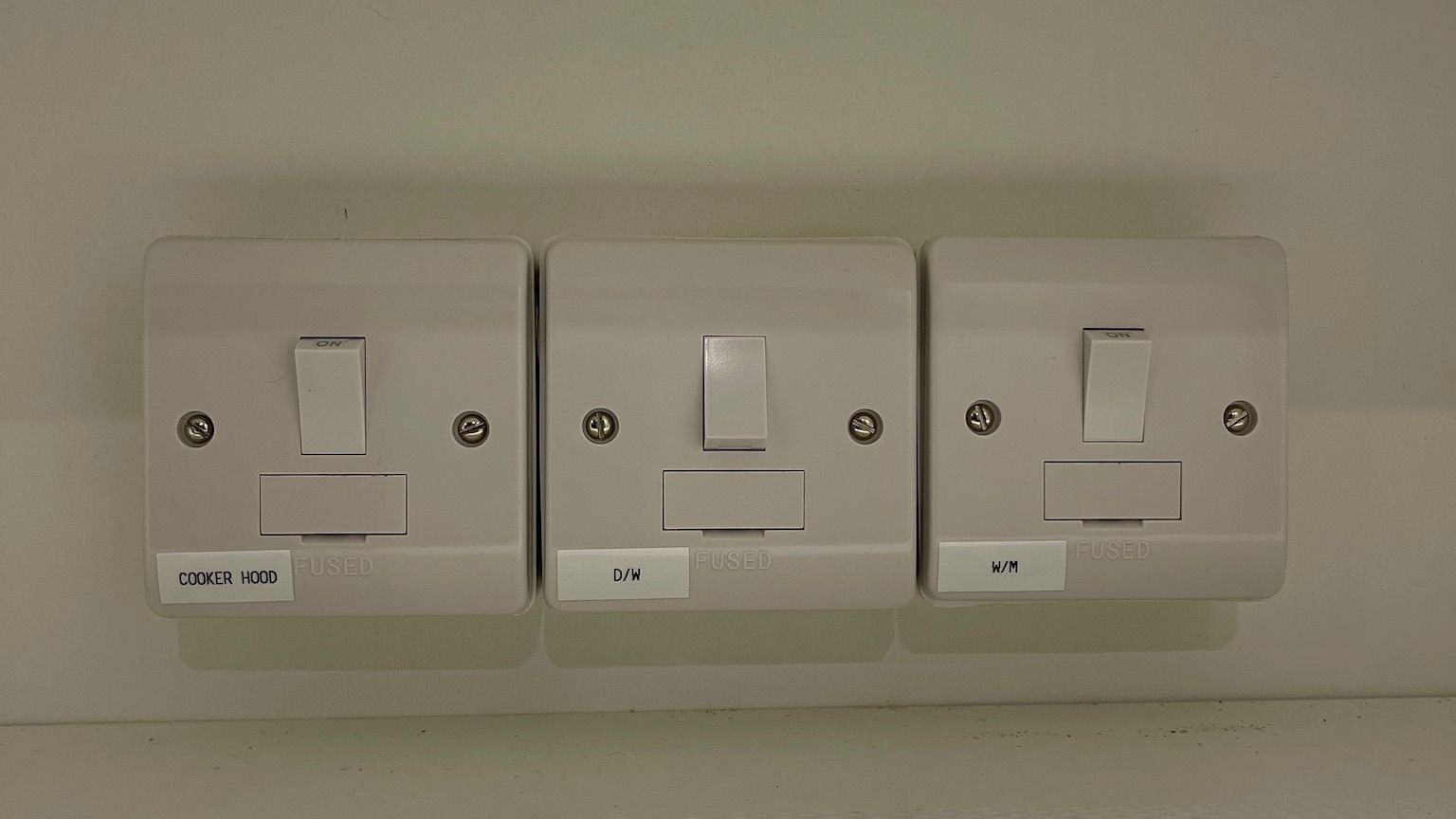
Your home, smarter. Book a smart home consultation.
Volt Electrical Solutions installs smart lighting, smart heating wiring, EV chargers, consumer unit upgrades, and full home automation electrical infrastructure across London and Essex.
Call 07984 919 757 or book a free estimate online — same-day slots available.