






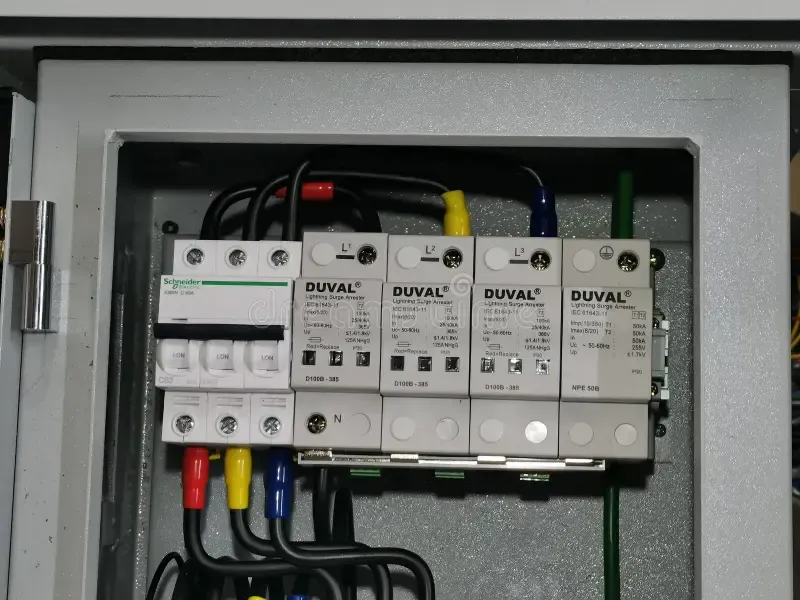
SPDs: the one device that could save your home electronics thousands
Most homes have no protection against power surges. A single voltage spike — from a lightning strike, a grid switch, or even a large appliance cycling on — can silently degrade or instantly destroy thousands of pounds worth of electronics. A Surge Protective Device (SPD) stops that damage at the source, before it reaches a single socket.
Power surges are silent until it's too late
A power surge is a brief, intense spike in voltage above the normal 230V supply. Most last less than a millisecond — far too fast to trip a circuit breaker, and invisible to the user until the damage is already done. By the time a device shows symptoms, the degradation has usually been accumulating for weeks or months.
Surges enter your home from two directions. External surges arrive via the incoming supply — from nearby lightning strikes, switching operations on the grid, or faults at the substation. Internal surges are generated inside your property, most commonly when large motors switch off: fridges, washing machines, air conditioning units, and EV chargers all produce transient spikes when their compressors or motors disengage.
The damage they cause ranges from gradual to catastrophic:
Smart TVs and entertainment systems losing firmware stability or shutting down unexpectedly
Fridge and freezer control boards failing early, often without obvious cause
Computers and laptops developing intermittent errors or sudden power failures
Smart home hubs, routers, and home automation equipment dropping connections permanently
Instant total failure of any device plugged in during a direct or near-direct lightning strike
The hidden cost
A single surge event affecting a modern home's electronics — smart TV, laptop, home hub, fridge-freezer — can easily cost £3,000–£6,000 to replace. An SPD fitted during a consumer unit upgrade costs a fraction of that, installed in under an hour.
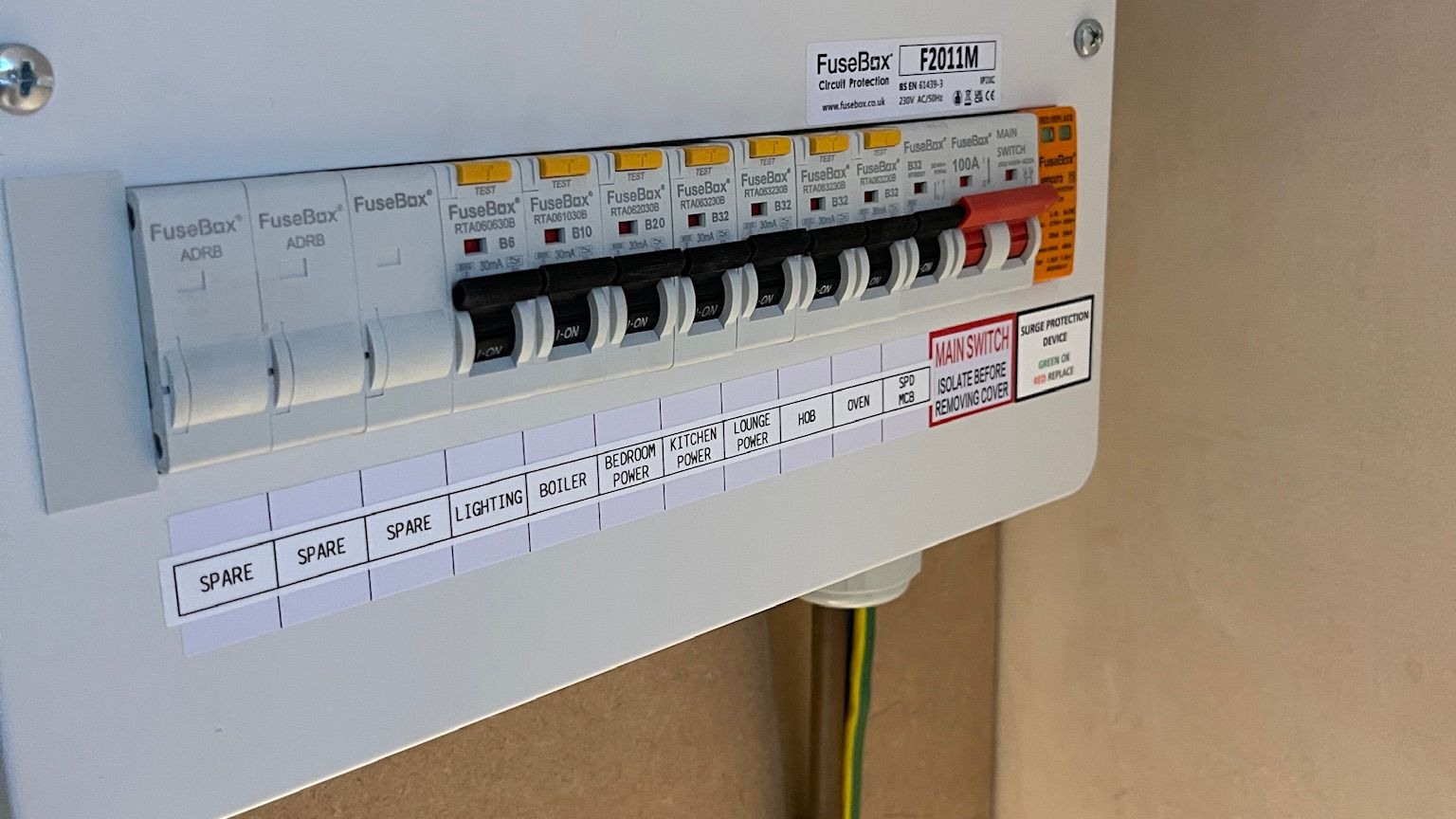
How an SPD protects your home — and what it actually does
An SPD is fitted inside or directly adjacent to your consumer unit, at the point where your supply enters the property. When a voltage transient arrives — from outside via the supply cable, or generated internally — the SPD detects it in microseconds and diverts the excess energy to earth, limiting the voltage that reaches your circuits to a safe level.
There are three types, classified by where in the installation they sit:
Type 1 — fitted at the main incoming point, primarily for properties with external lightning protection systems
Type 2 — the standard for most domestic and commercial consumer unit installations; protects against grid-borne and internally generated surges
Type 3 — installed at individual socket outlets or equipment terminals as a supplementary layer, used alongside Type 2
For most homes, a Type 2 SPD at the consumer unit is the single most effective measure. It protects every circuit simultaneously — lighting, sockets, kitchen circuits, EV charger feeds, alarm systems — without requiring any changes to how you use the property.
Modern SPDs include a visual indicator: green means the device is functioning correctly, red means it has taken a hit and needs replacing. They're designed to sacrifice themselves to protect the installation — which is exactly the right behaviour.
BS 7671 18th edition
The 18th edition of the IET Wiring Regulations (BS 7671), updated in 2022, significantly expanded the requirements around surge protection. SPDs are now recommended — and in many risk categories, required — for all new and substantially altered domestic installations. If you're upgrading your consumer unit, the regulation expects SPD provision to be considered and documented.
Who needs an SPD most — and why most homes already qualify
The honest answer is that virtually every modern home benefits from SPD protection. But the risk is highest for properties and households that fit any of the following:
Remote workers and home offices — laptops, monitors, NAS drives, and docking stations are high-value, surge-sensitive, and in continuous use
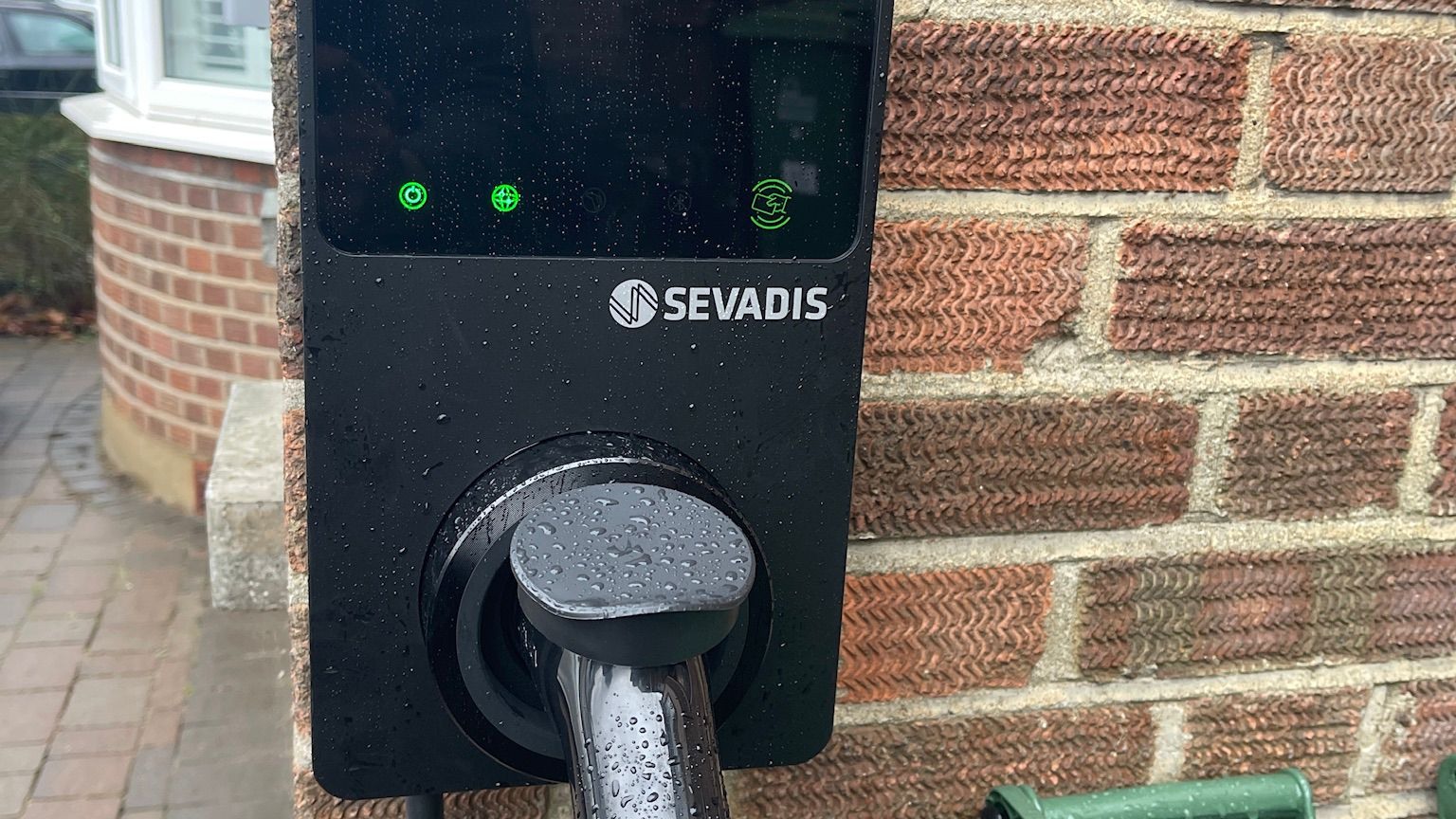
Homes with EV chargers — EV charging equipment is expensive and generates its own internal transients; an SPD protects both the charger and the home circuits
Smart homes — home automation hubs, smart speakers, streaming devices, and networked appliances are particularly vulnerable; losing the hub can take down the whole system
Rural and semi-rural properties — longer supply runs and more overhead cable exposure means greater susceptibility to lightning-induced surges
Properties near industrial activity — large industrial machinery switching on and off creates frequent grid transients that travel down the supply
Any home with a consumer unit upgrade — fitting an SPD at the same time as a consumer unit replacement adds minimal cost and no additional disruption
If your consumer unit was installed before 2019, it was almost certainly fitted without an SPD — not because the installer cut corners, but because the regulation expectations were different. A retrofit SPD installation is a straightforward job: typically one to two hours, no rewiring required.
Why Volt recommends SPDs on every job
We've seen the results of unprotected surges on site — melted consumer unit components, failed smart appliances, home office equipment wiped out after a storm. The pattern is consistent: the damage was preventable, the cost was significant, and the homeowner had no idea their installation offered no transient protection.
We recommend SPD installation to every client, on every job. Not as an upsell — as standard practice. When we're already at the consumer unit for an upgrade or inspection, fitting an SPD adds minimal time and a fraction of the cost of a single damaged appliance.
Every SPD we install is a Type 2 device selected to the load and supply characteristics of the property, fitted to BS 7671 standards, and documented in the installation certificate. The indicator is checked on completion — green means the installation is protected from the moment we leave.
Protect everything plugged in. Add an SPD.
Volt Electrical Solutions fits SPDs as part of consumer unit upgrades and as standalone retrofits across London and Essex. NICEIC approved, Part P certified, 12-month workmanship guarantee.
Call 07984 919 757 or book online — most SPD retrofits are completed in a single visit.