






Spring electrical safety tips for homeowners and landlords in East London and Essex
After four months of wet weather, temperature swings, and the shortened days that push heating and lighting systems harder than usual, spring is when electrical issues hidden by winter become visible. For homeowners and landlords across East London and Essex — from Romford and Ilford to Chelmsford and Southend — it is also the window before summer demand peaks and booking lead times stretch. Here is what to check and what to schedule.
1. Get your outdoor electrics ready
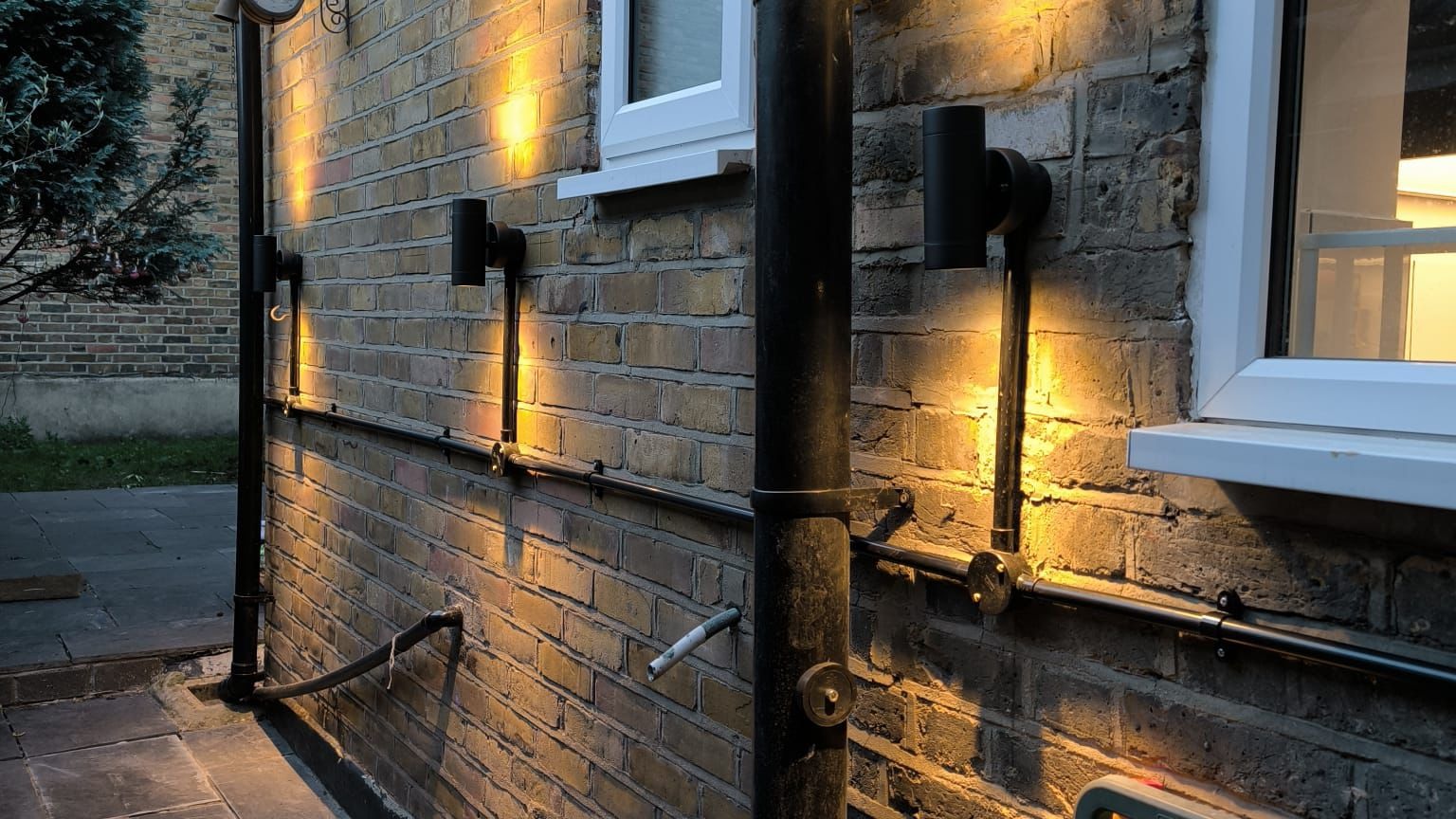
Outdoor electrical installations take the most punishment over winter: frost cycles stress cable glands and junction box seals, standing water tests IP ratings, and UV degradation continues year-round on exposed conduit and fittings. Spring is when faults that developed over winter become apparent — and when the garden, outbuildings, and exterior of the property start being used again.
Garden lighting
Check all outdoor luminaires for moisture ingress. Fittings rated IP44 or lower may have allowed water entry over winter. Replace failed lamps and inspect cable entry points for cracking or perished seals.
Outdoor sockets
Test every outdoor socket with a socket tester. Check RCD protection is present and operating — outdoor sockets on circuits without RCD protection are a C2 code on any EICR. Spring is the practical time to add them.
Security lighting
Motion sensor and dusk-to-dawn lights with failed lamps or frozen PIR sensors are common spring faults. Test coverage angles and replace bulbs — LED upgrades here also reduce running costs significantly.
Sheds and outbuildings
Outbuilding supplies — particularly older SWA cable runs laid on the surface or through garden beds — should be inspected for mechanical damage and tested for insulation integrity after a wet winter.
Outdoor socket IP rating
Sockets installed outdoors require a minimum IP rating of IP44 (splash-proof) for covered locations and IP66 (jet-proof) for fully exposed positions. Many older outdoor sockets were installed without appropriate weatherproof enclosures. If your garden sockets have standard faceplates without a protective cover flap, they are almost certainly non-compliant and may have already admitted moisture.
2. Check for winter wear and tear
Cold temperatures cause contraction in cable sheathing, conduit, and the plastic bodies of sockets and switches. Repeated cycles of freezing and thawing — common during a UK winter — open micro-cracks that allow moisture ingress and loosen connections that were already marginal. The following are the most common post-winter findings in domestic installations.
Cracked or brittle cable sheathing — visible on surface wiring runs in garages, lofts, and outbuildings; affected sections require replacement rather than taping
Loose sockets and switches — faceplates that move when pressed, or that show visible gaps around the backbox, indicate that the mounting screws have worked loose or the backbox has shifted; common in older dry-lining installations where the plasterboard has compressed
Flickering lights or nuisance tripping — particularly on circuits serving outbuildings or outdoor lighting; may indicate cable damage or a connection that developed resistance over winter
Condensation inside consumer units or enclosures — visible in garages and outbuildings where temperature differentials are greater; moisture inside an enclosure accelerates corrosion at terminals and busbars
Inoperative RCDs — always worth a monthly test press on every RCD in the consumer unit; any device that does not trip on test requires inspection
Garage and outbuilding consumer units
Outbuilding consumer units are often forgotten between annual inspections. If your garage or garden office has its own distribution board, check the RCDs are operational and the enclosure is dry. A small amount of condensation inside a board over winter can cause corrosion that only becomes a fault months later — typically in summer when the outbuilding is used daily.
3. Upgrade your lighting for longer days
The clocks going forward in late March adds an hour of useful daylight — and substantially changes how a property's lighting is used. Spring is a natural inflection point for lighting upgrades: the longer days reveal how dark or poorly lit certain spaces feel, and the motivation to improve them is highest.
Spring lighting upgrades worth scheduling:
LED downlight replacement — if you still have halogen GU10s in any ceiling, the energy difference is approximately 80% per fitting; a 12-downlight kitchen consuming 600W becomes one consuming under 80W with no change in light output or aesthetics
Feature lighting additions — under-cabinet kitchen lighting, accent lighting in alcoves, and pendant upgrades in living and dining areas are all jobs more easily done in spring before summer decor projects begin
Motion-sensor security lighting — if your existing PIR-triggered lights use halogen lamps, the replacement LED equivalents run cooler, last longer, and are less likely to trigger nuisance trips from heat shimmer on hot summer days
Garden and pathway lighting — low-voltage garden lighting systems, post-top lanterns, and LED strip lighting for decking or fencing all require a clean, RCD-protected outdoor circuit; a dedicated circuit keeps them off the house ring and simplifies fault-finding
Smart lighting integration — if you are replacing switches or adding new lighting circuits, this is the practical moment to install smart-compatible dimmers and multi-way switching that would otherwise require replastering at a later date
4. Landlords: stay compliant before the summer rush
For landlords, spring sits between the winter maintenance period and the summer tenancy turnover season — the most practical window to address electrical compliance before properties change hands and before trade contractors become harder to book.
The landlord spring electrical checklist:
Confirm your EICR is in date — reports are valid for a maximum of 5 years; properties with older installations may require more frequent inspection
Review any outstanding C2 or C3 observations from the last EICR — C2 codes require remediation within 28 days of the report being issued; C3 codes are recommendations that, left unaddressed across inspection cycles, can escalate
Check outdoor electrics — garden sockets, external lighting, and outbuilding supplies are among the most commonly cited items on EICR reports; address them before inspection where possible
Confirm smoke and carbon monoxide detectors are installed, functional, and in compliance with The Smoke and Carbon Monoxide Alarm (Amendment) Regulations 2022 — CO detectors are now required in any room with a gas appliance, not just rooms with solid fuel burning appliances
Schedule any planned electrical upgrades — consumer unit replacement, EV charger installation, or additional circuits — before the summer tenancy market peaks and booking windows extend
EICR for multiple properties
Volt manages EICR inspections and remedial work across landlord portfolios in East London and Essex. We coordinate access, produce reports in the format required by local authorities, and can carry out same-day remedial work where C1 or urgent C2 codes are found. Contact us to discuss a scheduled inspection programme across multiple properties.
5. Plan ahead for summer electrical projects
Spring is the lead time window for summer electrical work. The projects homeowners most commonly want completed by summer — EV chargers, garden offices, extensions, pool and hot tub supplies, air conditioning circuits — all require electrical work that takes planning, and in some cases permitted development approval or building regulation notification before work can start.
Projects to book now for summer completion:
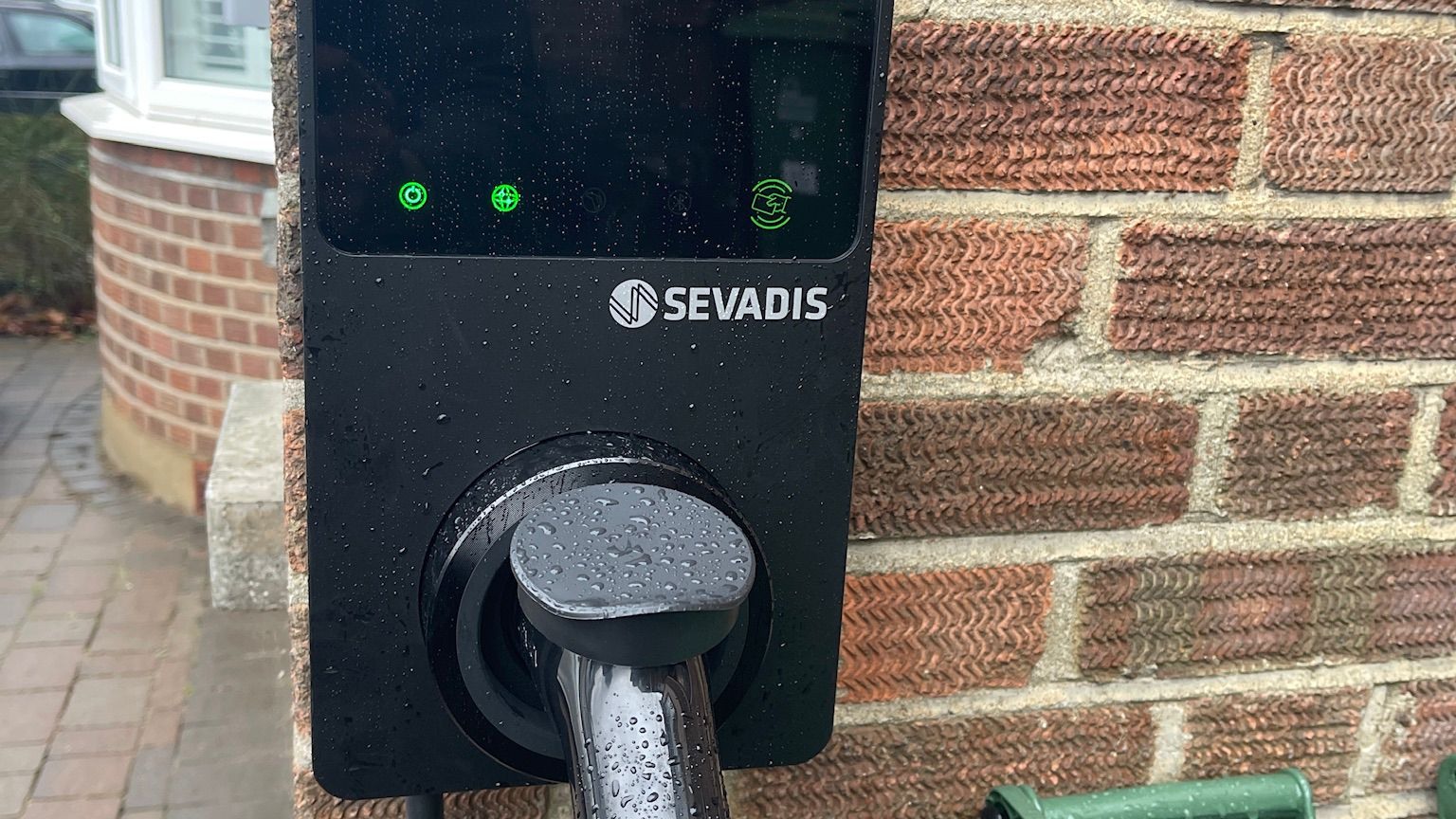
EV charger installation — 7kW home chargers require a dedicated 32A circuit from the consumer unit; if your board needs upgrading, the combined project takes one to two days and should be scheduled before summer when electricians are typically busier
Garden room or home office electrics — a subpanel, lighting circuit, and sockets for a garden office requires SWA cable from the house consumer unit, a small distribution board in the outbuilding, and RCD protection throughout; this is notifiable work and Part P certification is required
Air conditioning circuits — split-system air conditioning units require dedicated circuits sized for the unit's rated current; pre-wiring the circuit before the unit is fitted avoids disruption later in the season
Pool and hot tub supplies — outdoor pool pumps, lighting, and hot tub power supplies are Special Locations under BS 7671 Section 702; they require dedicated circuits, specific RCD protection, and in some cases an equipotential bonding scheme; these cannot be installed as a last-minute job
Solar PV preparation — if you are considering solar panel installation, spring is the time to have a Volt electrician assess your consumer unit capacity and advise on whether an upgrade is needed before the panels are fitted; an incompatible board discovered by the solar installer on the day of installation adds cost and delay
East London and Essex. Book your spring electrical check.
Volt Electrical Solutions covers East London and Essex — Romford, Ilford, Barking, Chelmsford, Brentwood, and surrounding areas. NICEIC approved, Part P certified, free estimates, same-day slots available.
Call 07984 919 757 or book online.