






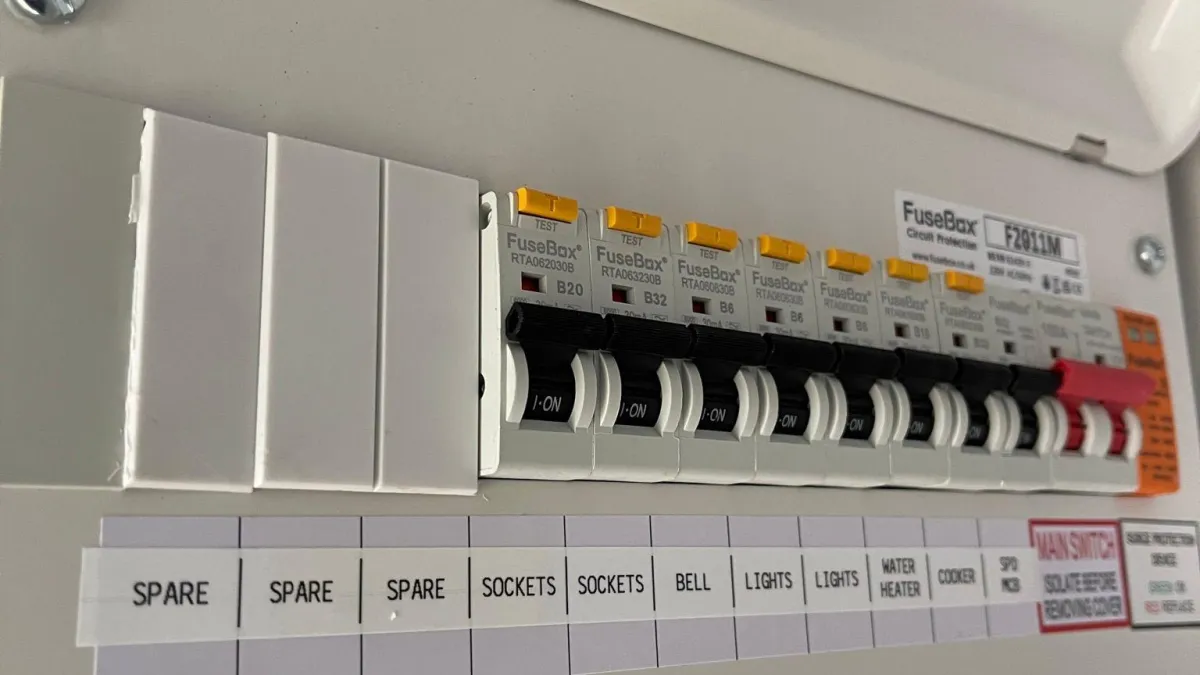
Type A RCDs vs Type AC — the upgrade that could save your appliances and your life
If you own an EV charger, induction hob, or LED lighting on modern drivers, the RCDs inside your consumer unit may not fully protect you. Here's why the type of RCD matters — and what the 18th Edition wiring regulations now require.
What is an RCD?
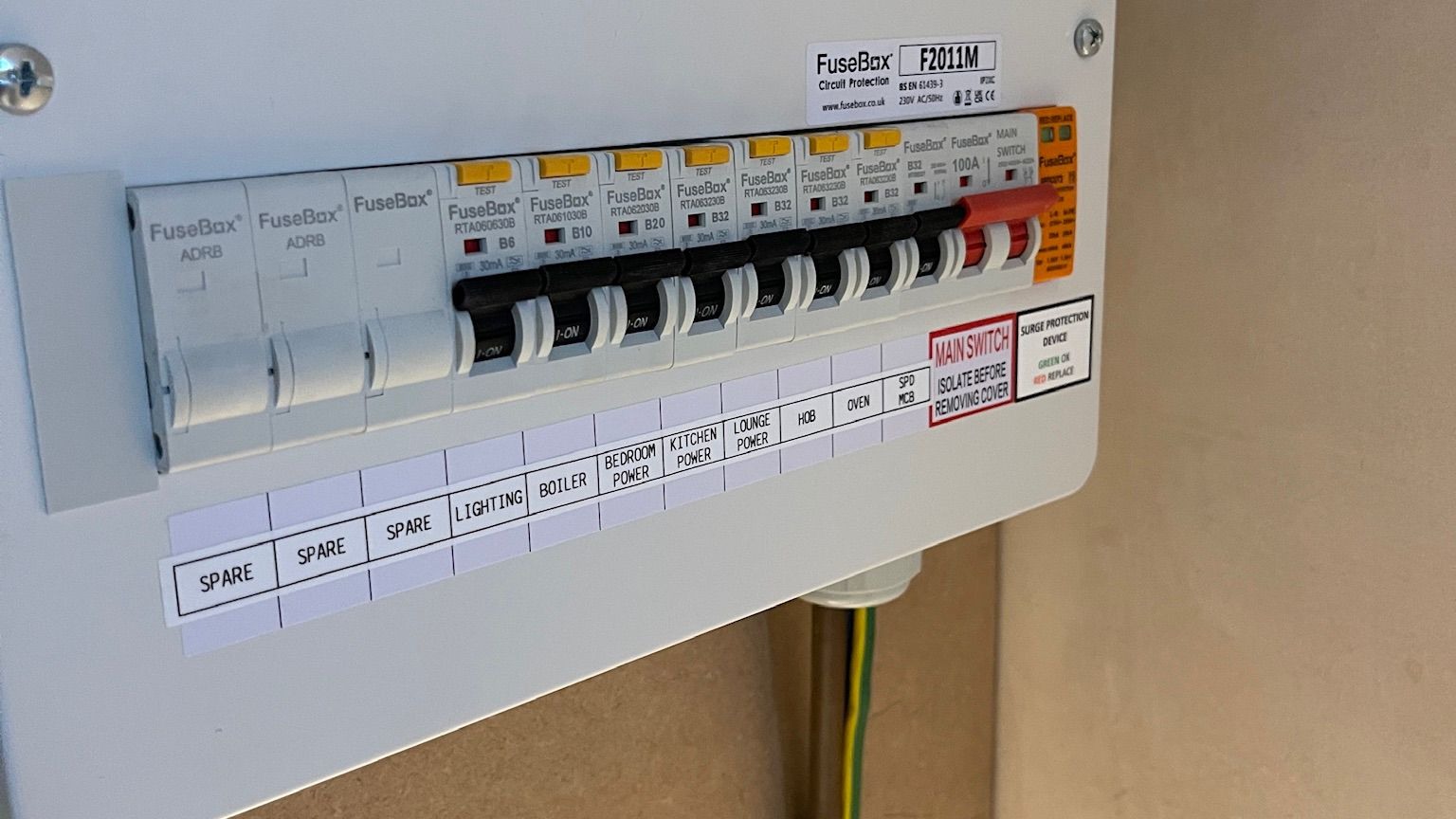
A residual current device (RCD) is the safety switch inside your consumer unit that monitors the difference between current flowing out on the live wire and returning on the neutral. When those values don't match — because current is leaking to earth, potentially through a person — the RCD trips in 30 to 40 milliseconds. That's fast enough to prevent a fatal electric shock.
RCDs are one of the most important safety devices in your home. But not all RCDs are the same, and the type your board has matters more than it ever used to.
Type AC — the original standard
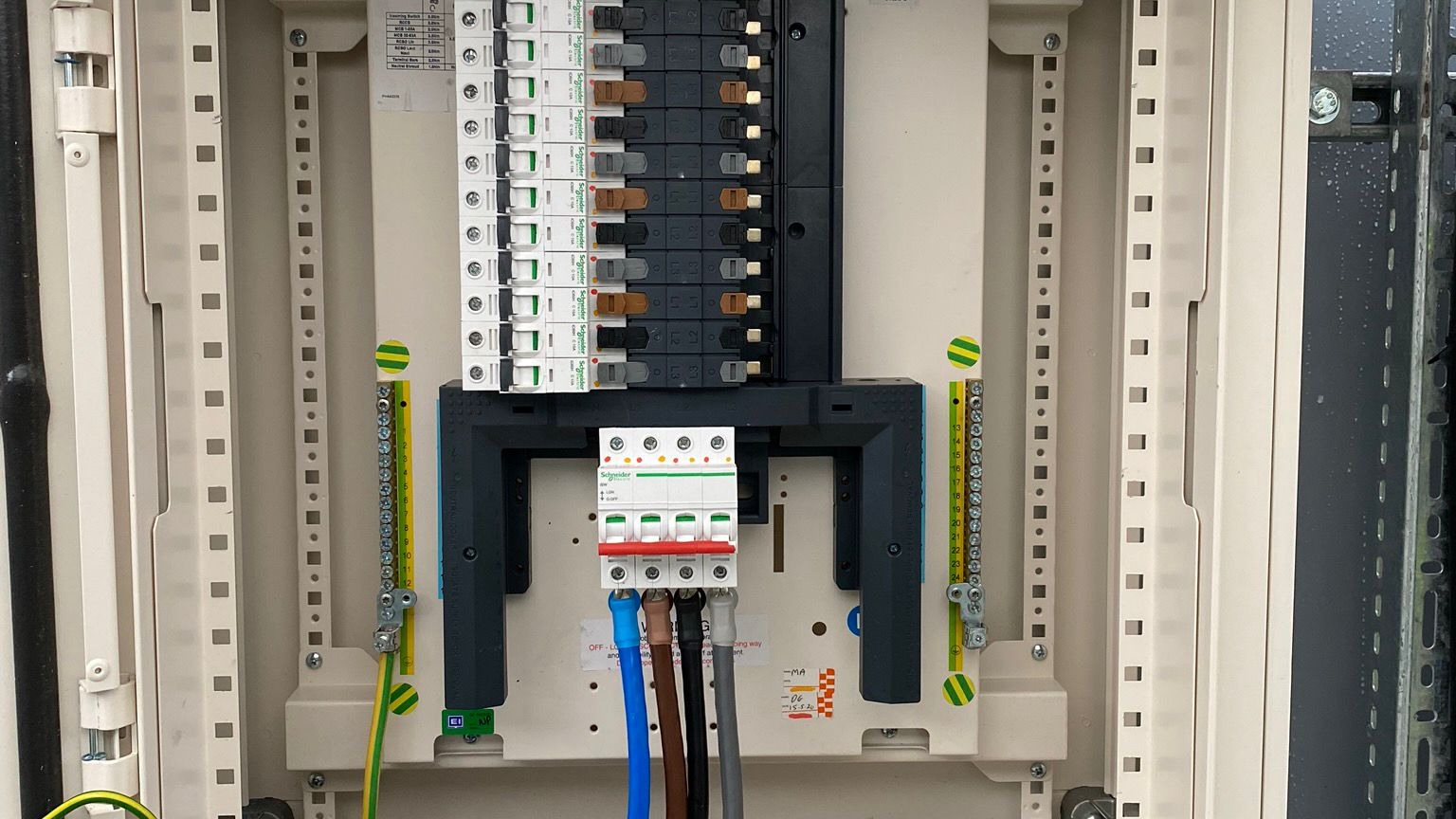
Type-AC RCDs were designed for traditional electrical loads: incandescent lights, resistive heaters, and induction motors. They detect sinusoidal alternating current (AC) residual currents — the smooth, regular wave shape of your mains supply.
For decades, this was entirely adequate. Appliances were simple and drew current in a predictable sine-wave pattern. Any fault looked like a clean AC leak, and Type-AC RCDs caught it reliably.
Why Type-AC is no longer enough
Modern electronics don't run directly off mains AC. EV chargers, LED drivers, inverter-driven washing machines, heat pump compressors, and induction hob controllers all use internal rectifier circuits to convert mains AC into DC before processing it. These circuits don't produce clean sine-wave faults when something goes wrong — they produce pulsating DC leakage currents.
A Type-AC RCD does not reliably detect pulsating DC fault currents. In practical terms: if your EV charger or induction hob develops an insulation fault, a Type-AC RCD may not trip at all.
Important
This isn't just a risk to your appliance. A fault that goes undetected leaves a live exposed conductor somewhere in the circuit — a shock and fire risk that your existing RCD is blind to.
What Type A detects
A Type A RCD detects both types of fault:
Sinusoidal AC residual currents — everything a Type-AC device handles
Pulsating DC residual currents — the fault type produced by modern electronics
That extra detection capability covers the realistic fault signatures of every common modern household appliance. Same physical size as a Type-AC device, same installation process — just a far wider protective range.
What the 18th Edition wiring regulations say
BS 7671:2018 Amendment 2 — the current UK wiring regulations — recommends Type A RCDs as the minimum standard for circuits supplying electronic equipment. For EV charging circuits specifically, Type A is the required default unless a Type B device is specifically justified.
Any consumer unit installed or significantly upgraded after June 2022 should use Type A RCDs throughout. If yours was fitted before that date and you've since added an EV charger, induction hob, or inverter-driven appliances, your board may no longer meet current guidance.
18th Edition requirement
Regulation 531.3.3 of BS 7671 Amendment 2 states that where equipment produces DC components, a Type A RCD (or Type F / Type B where applicable) must be used. Type AC is no longer considered appropriate for circuits supplying electronics.
Three situations that mean you should upgrade now
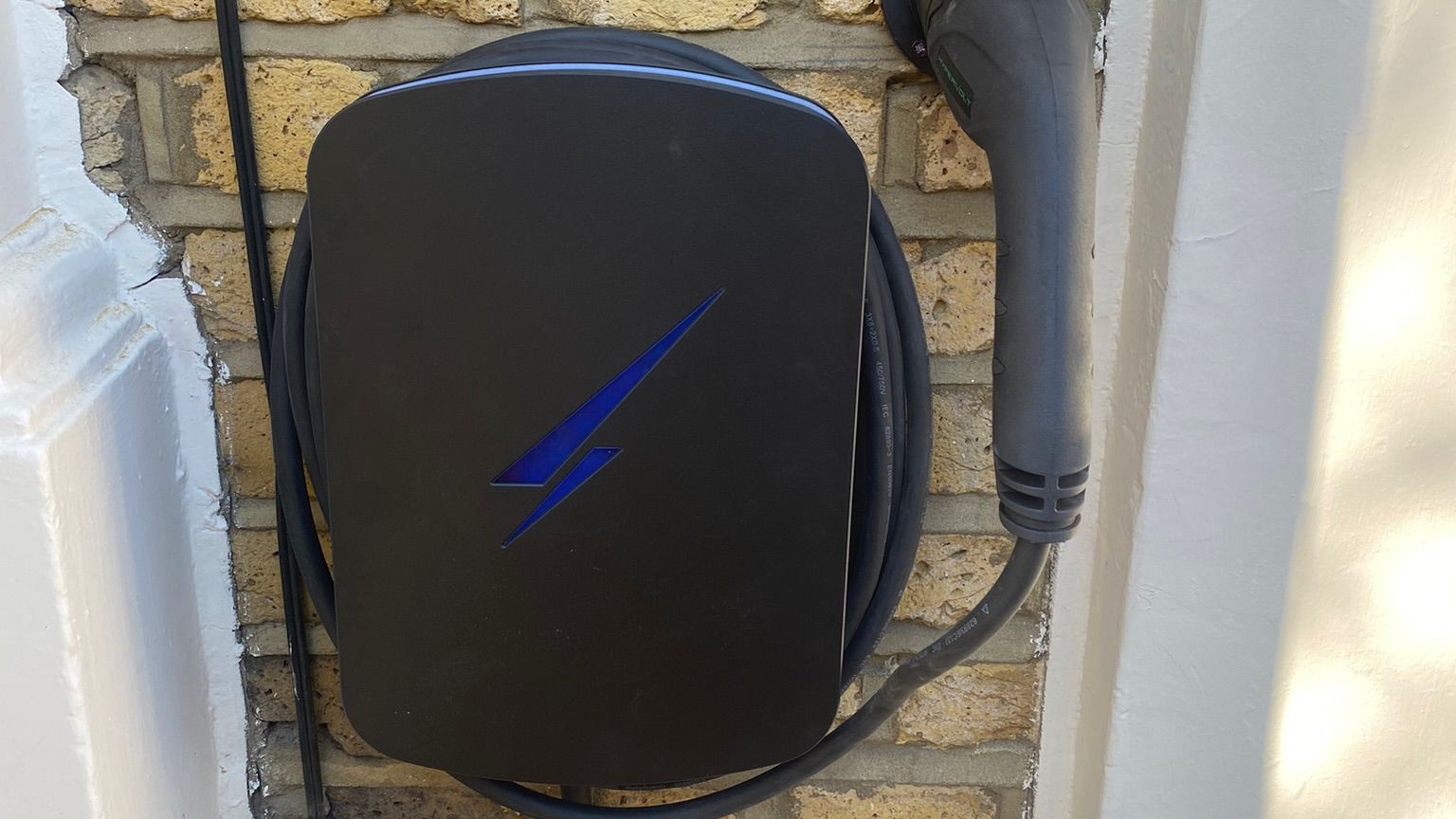
You've had a home EV charger installed on an older board. EV chargers are one of the most common triggers for a Type A requirement. If your charger was wired into an existing consumer unit without a Type A RCD on that circuit, the protection isn't complete — regardless of how recently the charger itself was installed.
You've added an induction hob, heat pump, or inverter washing machine. All three produce pulsating DC leakage under normal operation, let alone under fault conditions. Variable-speed compressors in modern heat pumps are particularly aggressive sources of harmonic leakage.
You're experiencing unexplained nuisance trips. If your RCD cuts out with no obvious fault, pulsating DC leakage from modern appliances overwhelming a Type-AC device is a common culprit. Upgrading to Type A often resolves nuisance tripping while simultaneously improving fault detection.
How we handle the upgrade
In many cases, upgrading your RCDs doesn't mean replacing the entire consumer unit. We can often swap individual RCDs within an existing board — a targeted upgrade that takes less time and costs less than a full board replacement.
Where the board is too old or the design doesn't allow individual device replacement, a full consumer unit upgrade to an 18th Edition-compliant board with Type A protection throughout is the right solution.
Every upgrade we carry out is:
Tested and certified under Part P Building Regulations
Completed to BS 7671:2018 Amendment 2 standard
Covered by our 12-month workmanship guarantee
Documented with an Electrical Installation Certificate
We serve London and Essex, and most targeted RCD upgrades are completed in a single visit.
Don't wait for a fault to find out.
Book a free electrical inspection and we'll check exactly which type of RCDs are fitted in your consumer unit — and whether they're right for the appliances you're running. No obligation, no hard sell.
Serving London and Essex · Licensed, insured, NICEIC approved · 07984 919 757