The UK's lighting has been through a quiet revolution. Incandescent bulbs were phased out, halogens followed, and LED is now the standard in every new build and most retrofit projects. If you're still running traditional bulbs anywhere in your home, here's exactly what you're missing — and what switching to LED actually delivers.
1. Energy efficiency: the numbers that matter
The efficiency gap between LED and traditional lighting is not marginal — it's fundamental. An incandescent bulb converts roughly 5% of the electricity it consumes into visible light. The remaining 95% is lost as heat. A halogen is marginally better, at around 10–15% efficiency. An LED converts 80–90% of its energy into light.
In practical terms, an LED bulb producing the same light output (measured in lumens) as a 60W incandescent draws around 8–10 watts. A 50W halogen downlight is replaced by a 5–7W LED equivalent. For a home with 20 downlights running 4 hours per day, the difference is around £180–£220 per year in energy costs alone — at current UK electricity rates.
LED Incandescent / Halogen Energy used (60W equivalent) 8–10W 40–60W Efficiency 80–90% to light 5–15% to light Average lifespan 15,000–25,000 hours 750–2,000 hours Operating temperature Warm to touch Very hot (fire risk in enclosed fittings) Contains mercury No CFL: yes · Halogen/Incandescent: no Dimmable options Yes (dimmable variants) Yes (incandescent/halogen) Smart / app control Yes (Zigbee, Z-Wave, Wi-Fi) No
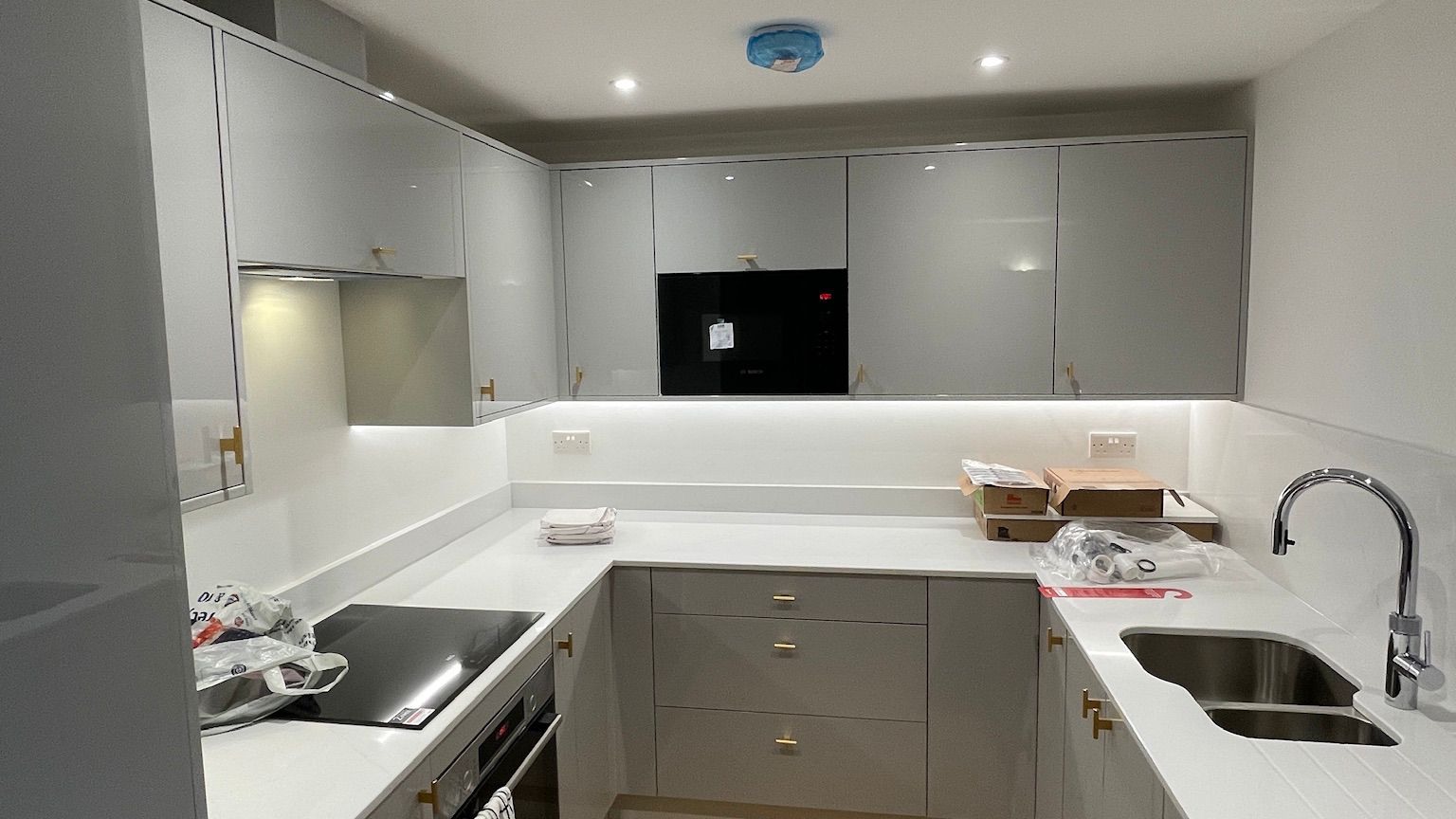
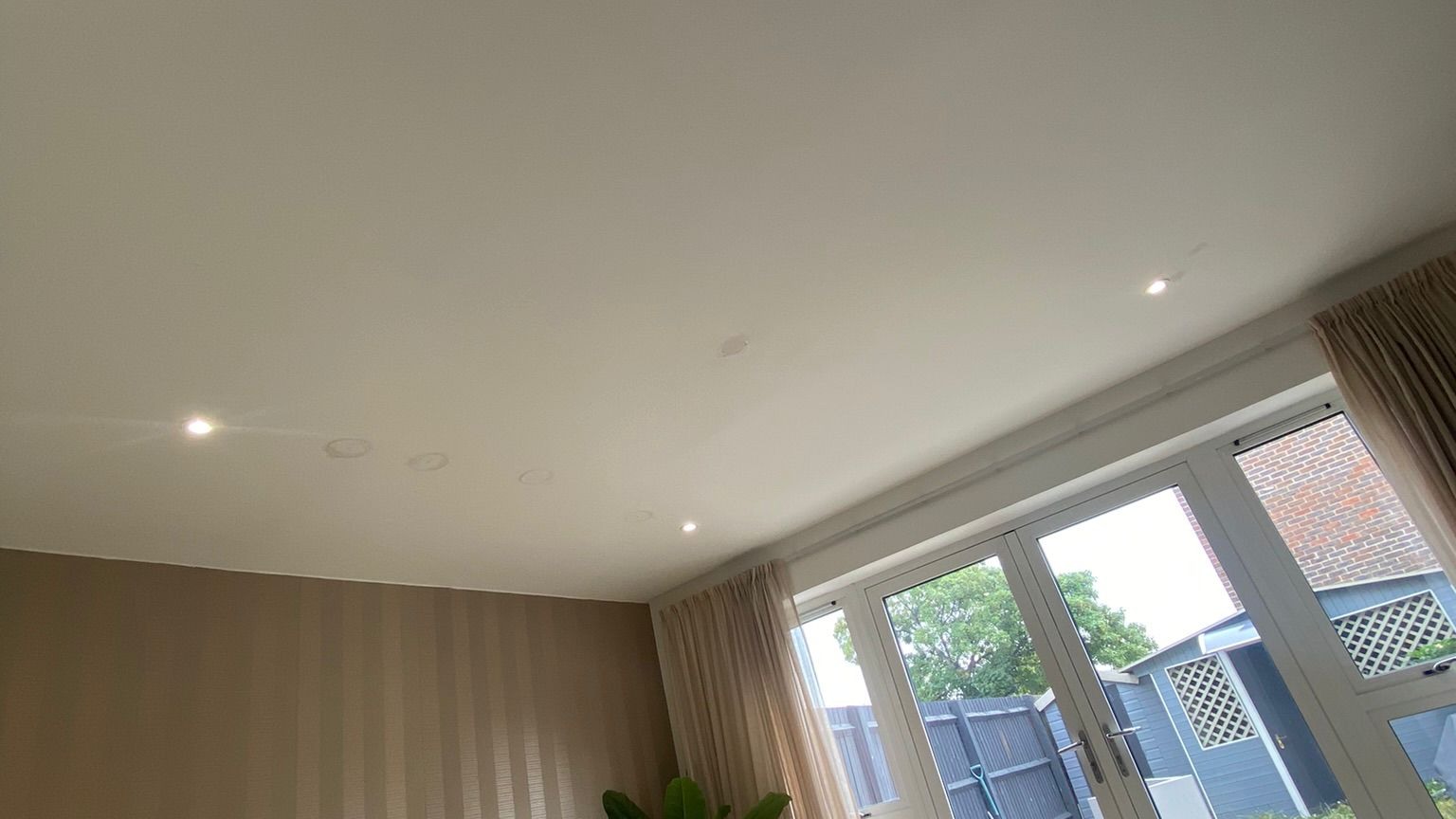
Recessed LED downlights are the most common retrofit we carry out. A kitchen with 8–12 halogen GU10s running at 50W each becomes one with 8–12 LEDs at 5–6W each — same light output, a fraction of the running cost, and no heat build-up in the ceiling void.
2. Lifespan: why you won't be replacing them
A standard incandescent bulb lasts around 1,000 hours. A halogen runs to about 2,000 hours. A quality LED lamp is rated for 15,000 to 25,000 hours — roughly 25 times the life of an incandescent at 4 hours of daily use, that's 10–17 years before replacement.
For most homeowners, switching to LED means replacing a bulb approximately once per decade rather than once per year. For landlords and commercial property owners managing dozens of fittings, the maintenance saving is more significant still — fewer ladder trips, fewer replacement purchases, and far less disruption to tenants.
The caveat is quality. Budget LED bulbs from unverified sources often fall well short of their rated lifespan. Bulbs fitted by an electrician come from verified suppliers with accurate ratings and consistent colour rendering — worth specifying if you're doing a whole-home retrofit.
3. Safety, comfort, and light quality
The low operating temperature of LEDs is a genuine safety advantage, particularly in enclosed fittings, fire-rated downlight housings, and bathroom installations where heat build-up can degrade insulation or cause discolouration over time. A halogen GU10 runs at 200–300°C at the capsule — an LED equivalent runs warm to the touch at around 40–60°C.
On light quality, LEDs have closed the gap with traditional sources entirely:
Colour temperature — available from 2700K (warm white, similar to incandescent) through 3000K (soft white) to 4000K (cool white, suited to kitchens and work areas) and 6500K (daylight, used in some commercial and retail settings)
Colour rendering index (CRI) — quality LEDs achieve CRI 90+, making colours appear as they would under natural light; budget LEDs can drop to CRI 80 or below, giving a flat, washed-out appearance
Dimmability — dimmable LED variants are widely available, but require a compatible trailing-edge or LED-specific dimmer switch; using an old leading-edge dimmer with LEDs causes flickering and early failure
Smart control — Zigbee and Z-Wave LED lamps integrate with home automation systems for scene setting, scheduling, and remote control
Dimmer compatibility
If you're switching halogen downlights to LEDs on an existing dimmer circuit, the dimmer switch almost certainly needs replacing too. Old leading-edge dimmers are incompatible with LEDs and will cause flickering, buzzing, or reduced dimming range. A trailing-edge dimmer rated for the new LED load is the correct replacement — this is a notifiable job if new wiring is involved.
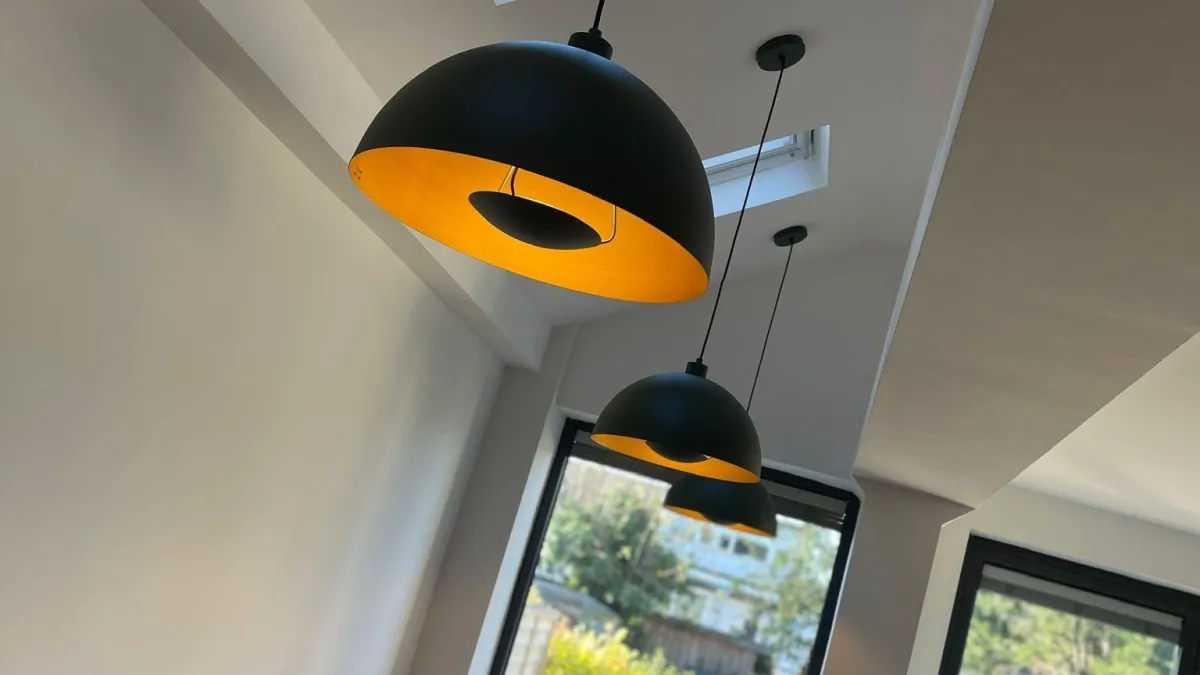
Modern LED filament and globe lamps replicate the warm, omnidirectional quality of incandescent bulbs while running at a fraction of the wattage. For pendant fittings and exposed-bulb luminaires, the visual result is identical — the running cost is not.
4. Environmental impact and long-term cost
LEDs contain no mercury — unlike compact fluorescent lamps (CFLs), which require specialist disposal. They generate less heat waste, reducing the cooling load in air-conditioned spaces. And because they last so much longer, the carbon and material cost of manufacturing replacement bulbs is dramatically lower over the installation's lifetime.
The return on investment for a whole-home LED retrofit is typically one to three years at current UK electricity prices, after which the energy savings are pure gain. For a property with high lighting usage — open-plan living, home offices, frequent evening lighting — the payback period is at the shorter end of that range.
Where the installation requires an electrician — fire-rated downlight housings, bathroom zones, new circuits for smart lighting, or dimmer switch replacements — the labour cost adds to the initial investment but also ensures the installation is safe, compliant, and carrying a workmanship guarantee.
When you need an electrician for LED retrofits
Replacing like-for-like bulbs in standard fittings is a DIY job. But replacing halogen downlights in a fire-rated ceiling, installing new LED fittings in bathroom zones 0, 1, or 2, adding new circuits for smart lighting, or changing dimmer switches are all notifiable electrical work requiring a qualified electrician.
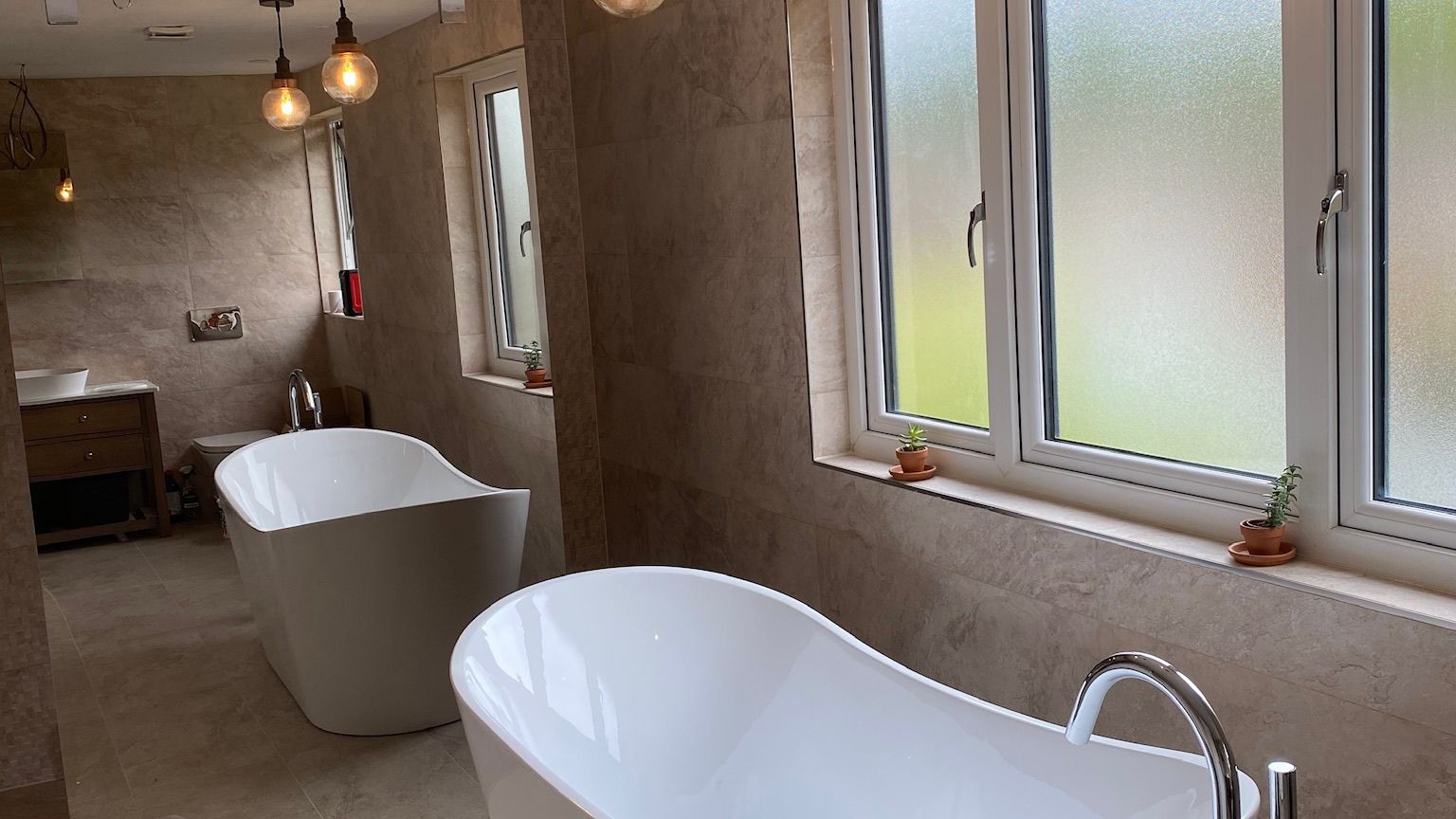
Bathroom lighting is one of the areas where LED's low heat output and long lifespan matter most. In zones close to water sources, fittings must carry the correct IP rating — and the installation must be carried out by a qualified electrician to comply with BS 7671 Part 7 requirements for special locations.
Better light, lower bills. Book a lighting upgrade.
Volt Electrical Solutions installs LED downlights, smart lighting systems, fire-rated ceiling installations, and full lighting retrofits across London and Essex. NICEIC approved, Part P certified, 12-month workmanship guarantee.
Call 07984 919 757 or book online — free estimates available.